Bills · HR 3522
IN COMMITTEE· 119TH CONGRESS
House BillHR 3522Civil Rights and Liberties, Minority Issues
Protecting Older Workers Against Discrimination Act of 2025
INTRO MAY 20· LAST ACTION MAY 20
READING
6MIN
COSPONSORS
8BIPARTISAN
READER REACTIONS0 TOTAL
NO VOTES YET · BE THE FIRST
- Introduced only
LEGISLATIVE PROGRESS
STEP 2 / 8Introduced
In Committee
Reported
Passed House
Passed Senate
Conference
To President
Became Law
WHAT THE BILL DOES
AI-writtenVoters should care about this bill because it directly impacts the ability of individuals to seek justice if they experience discrimination in the workplace. For decades, proving age discrimination has been particularly challenging due to a Supreme Court ruling that required a higher 'but-for' standard of proof, meaning age had to be the decisive cause of the harm. This bill aims to reverse that by aligning age and disability discrimination claims with the 'motivating factor' standard already used for race and sex discrimination, making it easier for older workers and those with disabilities to argue their cases.
If this bill becomes law, it could lead to more successful findings of discrimination, offering workers more avenues for relief, even if that relief is sometimes limited. If it doesn't pass, the tougher 'but-for' standard would likely remain for age discrimination claims, continuing to make it harder for victims to prove their cases. The bill also has implications for all employers by clarifying their potential liabilities and defenses in discrimination lawsuits, potentially influencing workplace practices and compliance efforts.
KEY PROVISIONS
4AI-extractedPROVISION 01
Changes the standard for proving age discrimination to require showing that age was a 'motivating factor' for an employer's decision, rather than the sole or 'but-for' reason.
This makes it easier for older workers to prove age discrimination in court, potentially increasing the number of successful discrimination claims.
PROVISION 02
Limits the remedies available in discrimination cases if an employer can prove they would have taken the same action even without the discriminatory motivating factor.
This means a worker might prove discrimination but not receive monetary damages, reinstatement, or hiring orders, impacting the practical outcome of a lawsuit.
PROVISION 03
Applies the 'motivating factor' standard to discrimination claims based on race, color, religion, sex, national origin (under Title VII), and disability (under the ADA and Rehabilitation Act).
This creates a consistent standard of proof across major federal anti-discrimination laws, harmonizing how different types of discrimination claims are assessed.
PROVISION 04
Applies these new standards of proof and remedies to claims brought by federal employees.
This ensures that federal workers have the same protections and limitations under these anti-discrimination laws as employees in the private sector.
SPONSORSHIP
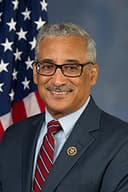
1 + 8
D· Virginia
YRS IN OFFICE
33
BILLS LED
18
COSPONSOR BREAKDOWNBIPARTISAN · 75%
DEM 5 REP 3 IND 0
ACTION TIMELINE
2 EVENTSMAY 20
Introduced in House
MAY 20
Referred to the House Committee on Education and Workforce.
BILL INFO
TypeHouse Bill
NumberHR 3522
Congress119th
StatusIn Committee
IntroducedMay 20, 2025
Last actionMay 20, 2025
READER REACTIONS
OVERALL SENTIMENT
No reactions yet. Be the first to weigh in.
Discussion
Loading comments...
IN COMMITTEE· 119TH CONGRESS · EDUCATION AND WORKFORCE COMMITTEE · INTRODUCED MAY 20, 2025
House BillHR 3522Civil Rights and Liberties, Minority Issues
Protecting Older Workers Against Discrimination Act of 2025
INTRODUCED MAY 20, 2025· LAST ACTION MAY 20, 2025
PASSAGE CHANCES
—%
READING
6 min
COSPONSORS
8
COMPLEXITY
Moderate