Bills · HR 3468
IN COMMITTEE· 119TH CONGRESS
House BillHR 3468Government Operations and Politics
Protecting Retirement and Health Benefits for Families Act
INTRO MAY 15· LAST ACTION JUN 6
READING
6MIN
COSPONSORS
0
READER REACTIONS0 TOTAL
NO VOTES YET · BE THE FIRST
- Introduced only
LEGISLATIVE PROGRESS
STEP 2 / 8Introduced
In Committee
Reported
Passed House
Passed Senate
Conference
To President
Became Law
WHAT THE BILL DOES
AI-writtenThis bill matters because it addresses concerns about the potential erosion of vital government services that millions of Americans depend on for their daily lives and financial security. Agencies like Social Security, Medicare, and the VA provide the backbone of support for retirees, the sick, and veterans, while the IRS and HUD serve broad segments of the population. In an effort to streamline operations or manage budgets, agencies sometimes make decisions about staffing or office locations that can inadvertently reduce the quality or accessibility of services.
If this bill becomes law, it would create a significant new layer of accountability, forcing agencies to rigorously plan and justify any major changes to staffing or infrastructure to Congress. This could lead to more consistent service delivery, fewer delays, and better access to information and benefits for the public. Without this law, agencies would have more freedom to make such changes without a mandated pre-approval process that explicitly considers service impact, or a required reversal mechanism if those changes prove detrimental to the public.
KEY PROVISIONS
5AI-extractedPROVISION 01
Requires five major federal agencies (Social Security, Medicare/Medicaid, IRS, VA, HUD) to certify to Congress that planned staffing cuts or office closures will not harm public services.
Ensures a formal promise from agency leadership that crucial public services will not suffer before significant changes are made.
PROVISION 02
Agencies must submit a detailed report explaining how they will prevent negative impacts, such as staffing shortages, increased wait times, or reduced outreach, from affecting service delivery.
Provides transparency and a concrete plan to Congress on how agencies will mitigate potential service disruptions.
PROVISION 03
Independent Inspectors General for each agency must study the actual impact of these changes on services within one year of implementation.
Creates an objective oversight mechanism to verify whether agencies upheld their promise and if services were actually maintained.
PROVISION 04
If an Inspector General finds that services were negatively impacted, the agency must reverse the changes, including rehiring staff and reopening offices.
Establishes a mandatory consequence for agencies if their actions harm service delivery, ensuring accountability.
PROVISION 05
Defines "covered activity" to include staffing cuts or office closures exceeding 5% in a year, or any budget reallocations or restructuring that would measurably reduce services or weaken beneficiary protections.
Clearly outlines the specific actions by agencies that would trigger the bill's requirements, providing clarity and scope.
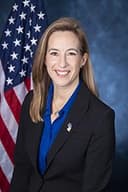
SPONSORSHIP
1 + 0
D· New Jersey
YRS IN OFFICE
7
BILLS LED
21
ACTION TIMELINE
3 EVENTSJUN 6
Referred to the Subcommittee on Oversight and Investigations.
MAY 15
Introduced in House
MAY 15
Referred to the Committee on Ways and Means, and in addition to the Committees on Energy and Commerce, Veterans' Affairs, and Financial Services, for a period to be subsequently determined by the Speaker, in each case for consideration of such provisions as fall within the jurisdiction of the committee concerned.
BILL INFO
TypeHouse Bill
NumberHR 3468
Congress119th
StatusIn Committee
IntroducedMay 15, 2025
Last actionJun 6, 2025
READER REACTIONS
OVERALL SENTIMENT
No reactions yet. Be the first to weigh in.
Discussion
Loading comments...
IN COMMITTEE· 119TH CONGRESS · WAYS AND MEANS COMMITTEE · INTRODUCED MAY 15, 2025
House BillHR 3468Government Operations and Politics
Protecting Retirement and Health Benefits for Families Act
INTRODUCED MAY 15, 2025· LAST ACTION JUN 6, 2025
PASSAGE CHANCES
—%
READING
6 min
COSPONSORS
0
COMPLEXITY
Moderate