Bills · HR 3411
IN COMMITTEE· 119TH CONGRESS
House BillHR 3411Civil actions and liabilityAdministrative law and regulatory procedures
Conscience Protection Act of 2025
INTRO MAY 14· LAST ACTION MAY 14
READING
16MIN
COSPONSORS
16
READER REACTIONS0 TOTAL
NO VOTES YET · BE THE FIRST
- Introduced only
LEGISLATIVE PROGRESS
STEP 2 / 8Introduced
In Committee
Reported
Passed House
Passed Senate
Conference
To President
Became Law
WHAT THE BILL DOES
AI-writtenVoters should care about this bill because it touches on fundamental questions of individual liberty and access to healthcare. If this bill becomes law, it could significantly alter the landscape of abortion access and provider responsibilities across the nation by giving greater legal weight to the conscience objections of healthcare entities. This means a doctor, nurse, hospital, or even an insurance plan could refuse to provide, cover, or refer for abortion services without fear of penalty.
Conversely, if the bill doesn't pass, the current patchwork of protections would remain, which supporters argue leaves healthcare workers vulnerable to discrimination. Opponents might argue that without this bill, states and federal agencies maintain more flexibility to ensure comprehensive healthcare access, including abortion, and that strong conscience protections could impede patient care or make it harder for individuals to find necessary services, particularly in areas where many providers object to abortion. It highlights the ongoing tension between a provider's right to refuse care based on conscience and a patient's access to legally available medical services.
KEY PROVISIONS
3AI-extractedPROVISION 01
Prohibits discrimination against healthcare entities not involved in abortion: Makes it unlawful for government programs or entities to penalize or refuse to fund healthcare providers, organizations, or health plans that decline to participate in abortion services based on moral or religious beliefs.
This provision ensures that healthcare providers can follow their ethical or religious convictions without facing professional or financial repercussions.
PROVISION 02
Strengthens implementation of Federal conscience laws: Aims to provide clearer guidelines and consistent application of existing federal laws that protect conscience rights in healthcare.
It seeks to prevent inconsistent interpretations or applications of these protections by federal and state agencies, ensuring more uniform adherence.
PROVISION 03
Enhances enforcement of Federal conscience laws: Establishes more robust mechanisms for individuals and entities to report violations and for federal agencies to investigate and act upon alleged discrimination based on conscience.
This provision seeks to ensure that when conscience rights are violated, there are effective legal and administrative avenues for redress and correction.
SPONSORSHIP
1 + 16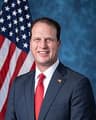
R· Texas
YRS IN OFFICE
5
BILLS LED
61
COSPONSOR BREAKDOWNBIPARTISAN · 0%
DEM 0 REP 16 IND 0
ACTION TIMELINE
2 EVENTSMAY 14
Introduced in House
MAY 14
Referred to the House Committee on Energy and Commerce.
BILL INFO
TypeHouse Bill
NumberHR 3411
Congress119th
StatusIn Committee
IntroducedMay 14, 2025
Last actionMay 14, 2025
READER REACTIONS
OVERALL SENTIMENT
No reactions yet. Be the first to weigh in.
Discussion
Loading comments...
IN COMMITTEE· 119TH CONGRESS · ENERGY AND COMMERCE COMMITTEE · INTRODUCED MAY 14, 2025
House BillHR 3411Civil actions and liabilityAdministrative law and regulatory procedures
Conscience Protection Act of 2025
INTRODUCED MAY 14, 2025· LAST ACTION MAY 14, 2025
PASSAGE CHANCES
—%
READING
16 min
COSPONSORS
16
COMPLEXITY
Moderate