Bills · HR 341
IN COMMITTEE· 119TH CONGRESS
House BillHR 341Transportation and Public Works
Railroad Responsibility Act of 2025
INTRO JAN 13· LAST ACTION JAN 14
READING
2MIN
COSPONSORS
0
READER REACTIONS0 TOTAL
NO VOTES YET · BE THE FIRST
- Introduced only
LEGISLATIVE PROGRESS
STEP 2 / 8Introduced
In Committee
Reported
Passed House
Passed Senate
Conference
To President
Became Law
WHAT THE BILL DOES
AI-writtenThis bill addresses a common frustration for many people: long waits at railroad crossings that can cause significant traffic delays and pose risks by blocking emergency vehicles. If it becomes law, states could pass rules that force trains to move more quickly, reducing traffic jams and potentially improving safety by allowing emergency responders faster access.
Without this bill, states often can't make these rules due to federal preemption, leaving local communities with little power to address blocked crossings effectively. This legislation shifts authority from federal oversight to state control for this specific issue, which could lead to different rules and experiences depending on where you live, giving local populations more say over how railroad operations impact their daily lives.
KEY PROVISIONS
3AI-extractedPROVISION 01
Allows states to create laws or rules that limit how long a train can block a road crossing.
This is the core change, giving states the power to directly address a common local problem of lengthy train delays.
PROVISION 02
Specifies that federal law will no longer prevent states from regulating how long trains can block crossings, overriding federal preemption for this issue.
This provision is crucial because it removes the existing legal barrier that prevents states from enacting such regulations.
PROVISION 03
Defines "State" to include not just the 50 states but also the District of Columbia.
This clarifies the geographical scope of the new authority, ensuring the District of Columbia can also implement such rules.
SPONSORSHIP
1 + 0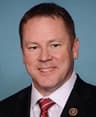
R· Ohio
YRS IN OFFICE
10
BILLS LED
43
ACTION TIMELINE
3 EVENTSJAN 14
Referred to the Subcommittee on Railroads, Pipelines, and Hazardous Materials.
JAN 13
Introduced in House
JAN 13
Referred to the House Committee on Transportation and Infrastructure.
BILL INFO
TypeHouse Bill
NumberHR 341
Congress119th
StatusIn Committee
IntroducedJan 13, 2025
Last actionJan 14, 2025
READER REACTIONS
OVERALL SENTIMENT
No reactions yet. Be the first to weigh in.
Discussion
Loading comments...
IN COMMITTEE· 119TH CONGRESS · TRANSPORTATION AND INFRASTRUCTURE COMMITTEE · INTRODUCED JAN 13, 2025
House BillHR 341Transportation and Public Works
Railroad Responsibility Act of 2025
INTRODUCED JAN 13, 2025· LAST ACTION JAN 14, 2025
PASSAGE CHANCES
—%
READING
2 min
COSPONSORS
0
COMPLEXITY
Moderate