Bills · HR 3367
IN COMMITTEE· 119TH CONGRESS
House BillHR 3367Agriculture and Food
Improving Training for School Food Service Workers Act of 2025
INTRO MAY 13· LAST ACTION MAY 13
READING
2MIN
COSPONSORS
31
READER REACTIONS0 TOTAL
NO VOTES YET · BE THE FIRST
- Introduced only
LEGISLATIVE PROGRESS
STEP 2 / 8Introduced
In Committee
Reported
Passed House
Passed Senate
Conference
To President
Became Law
WHAT THE BILL DOES
AI-writtenThis bill matters because it directly impacts the working conditions and professional development of thousands of school food service personnel across the country. By ensuring training is paid, accessible, and practical, it could lead to a more skilled workforce, which in turn might improve the quality, safety, and variety of meals served to students. Voters should care because healthier, safer school meals contribute to better student health and learning outcomes.
If this bill becomes law, school cafeteria staff could see their jobs become more professionalized and respectful of their time and effort, as they wouldn't have to train for free or on their own time without compensation. If it doesn't pass, the current varied practices for school food service training would continue, potentially leaving some workers without adequate support for professional growth or forcing them to bear the financial and time burden of training themselves.
KEY PROVISIONS
4AI-extractedPROVISION 01
Training programs for school food service personnel must generally be scheduled during regular, paid working hours.
This ensures workers are compensated for time spent improving their skills and professionalism.
PROVISION 02
Training must incorporate experiential (hands-on) learning and be provided at no cost to the food service personnel.
This improves the effectiveness of training and removes financial barriers for workers seeking professional development.
PROVISION 03
If training is scheduled outside of regular, paid working hours, personnel must be paid their regular or overtime rate and consulted on scheduling.
This protects workers from unpaid labor and ensures scheduling flexibility for personal commitments.
PROVISION 04
Food service personnel cannot be penalized or discriminated against for not being able to attend training that is scheduled outside of regular, paid working hours.
This provides crucial protection for workers who cannot attend inconveniently scheduled training without fear of reprisal.
SPONSORSHIP
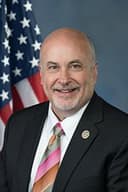
1 + 31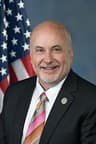
D· Wisconsin
YRS IN OFFICE
13
BILLS LED
24
COSPONSOR BREAKDOWNBIPARTISAN · 19%
DEM 28 REP 3 IND 0
ACTION TIMELINE
2 EVENTSMAY 13
Introduced in House
MAY 13
Referred to the House Committee on Education and Workforce.
BILL INFO
TypeHouse Bill
NumberHR 3367
Congress119th
StatusIn Committee
IntroducedMay 13, 2025
Last actionMay 13, 2025
READER REACTIONS
OVERALL SENTIMENT
No reactions yet. Be the first to weigh in.
Discussion
Loading comments...
IN COMMITTEE· 119TH CONGRESS · EDUCATION AND WORKFORCE COMMITTEE · INTRODUCED MAY 13, 2025
House BillHR 3367Agriculture and Food
Improving Training for School Food Service Workers Act of 2025
INTRODUCED MAY 13, 2025· LAST ACTION MAY 13, 2025
PASSAGE CHANCES
—%
READING
2 min
COSPONSORS
31
COMPLEXITY
Moderate