Bills · HR 3346
IN COMMITTEE· 119TH CONGRESS
House BillHR 3346Environmental Protection
Sovereign State Environmental Quality Assurance Act
INTRO MAY 13· LAST ACTION MAY 13
READING
5MIN
COSPONSORS
0
READER REACTIONS0 TOTAL
NO VOTES YET · BE THE FIRST
- Introduced only
LEGISLATIVE PROGRESS
STEP 2 / 8Introduced
In Committee
Reported
Passed House
Passed Senate
Conference
To President
Became Law
WHAT THE BILL DOES
AI-writtenThis bill represents a massive shift in how the United States protects its environment, moving from a national oversight model to a state-led approach. If it becomes law, it means that instead of federal rules ensuring a baseline level of environmental quality across the country, each state would largely determine its own standards for clean air, water, and waste management. This could lead to vastly different levels of environmental protection depending on where you live, potentially creating areas with stronger or weaker regulations based on state priorities and resources.
Voters should care because it impacts fundamental aspects of public health and safety, such as the quality of their drinking water and the air they breathe. If the bill doesn't become law, the EPA continues its existing role in setting and enforcing national environmental standards. If it does, the responsibility and funding shift to states, which could lead to innovations tailored to local needs or, conversely, a 'race to the bottom' where states might lower environmental standards to attract businesses, potentially impacting environmental quality for everyone.
KEY PROVISIONS
5AI-extractedPROVISION 01
Abolishes the Environmental Protection Agency (EPA) and all its functions 270 days after the bill's enactment.
This is the central action of the bill, eliminating the federal agency responsible for national environmental protection.
PROVISION 02
Establishes a block grant program for states, allocated by population, to carry out environmental programs previously handled by the EPA.
This provision outlines the new mechanism for environmental protection, shifting responsibility and funding to state governments.
PROVISION 03
Requires states to designate an environmental department and commit to audits as a condition for receiving federal environmental block grant funds.
This ensures a level of accountability for how states use the federal funds for environmental protection.
PROVISION 04
Authorizes $4.4 billion annually for fiscal years 2026 through 2029 for these state environmental block grants.
This specifies the significant federal financial commitment to states for their new environmental responsibilities.
PROVISION 05
Mandates annual studies and reports by the Government Accountability Office (GAO) on the implementation and effectiveness of the Act.
This provision establishes a mechanism for ongoing federal oversight and evaluation of the new state-led environmental system.
SPONSORSHIP
1 + 0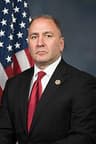
R· Louisiana
YRS IN OFFICE
9
BILLS LED
39
ACTION TIMELINE
2 EVENTSMAY 13
Introduced in House
MAY 13
Referred to the Committee on Energy and Commerce, and in addition to the Committees on Agriculture, Transportation and Infrastructure, and Science, Space, and Technology, for a period to be subsequently determined by the Speaker, in each case for consideration of such provisions as fall within the jurisdiction of the committee concerned.
BILL INFO
TypeHouse Bill
NumberHR 3346
Congress119th
StatusIn Committee
IntroducedMay 13, 2025
Last actionMay 13, 2025
READER REACTIONS
OVERALL SENTIMENT
No reactions yet. Be the first to weigh in.
Discussion
Loading comments...
IN COMMITTEE· 119TH CONGRESS · SCIENCE, SPACE, AND TECHNOLOGY COMMITTEE · INTRODUCED MAY 13, 2025
House BillHR 3346Environmental Protection
Sovereign State Environmental Quality Assurance Act
INTRODUCED MAY 13, 2025· LAST ACTION MAY 13, 2025
PASSAGE CHANCES
—%
READING
5 min
COSPONSORS
0
COMPLEXITY
Moderate