Bills · HR 3321
IN COMMITTEE· 119TH CONGRESS
House BillHR 3321Health
Ending Medicaid Discrimination Against the Most Vulnerable Act
INTRO MAY 9· LAST ACTION MAY 9
READING
3MIN
COSPONSORS
19
READER REACTIONS0 TOTAL
NO VOTES YET · BE THE FIRST
- Introduced only
LEGISLATIVE PROGRESS
STEP 2 / 8Introduced
In Committee
Reported
Passed House
Passed Senate
Conference
To President
Became Law
WHAT THE BILL DOES
AI-writtenThis bill matters because it directly impacts how healthcare is funded for millions of low-income Americans. If it becomes law, it could shift a significant financial burden from the federal government to individual states. States that currently expand Medicaid would either have to come up with billions of dollars in new state funds to maintain coverage for their low-income residents or cut back on who is covered and what services are provided, potentially leaving many without affordable healthcare.
For states that haven't expanded Medicaid, this bill removes a major financial incentive to do so, meaning it's less likely they will expand coverage to their low-income populations in the future. Voters should care because these changes could affect access to healthcare, state budgets, and the overall stability of the healthcare system for vulnerable populations across the country.
KEY PROVISIONS
4AI-extractedPROVISION 01
Phases out the enhanced federal matching rate (currently 90%) for Medicaid expansion populations in states.
This gradually shifts a larger portion of Medicaid costs for these populations from the federal government to the states.
PROVISION 02
The enhanced federal match will decrease yearly from 2027 to 2034, reverting to the standard federal match by 2035.
This provides a timeline for states to adjust to the reduced federal contributions for their expanded Medicaid populations.
PROVISION 03
States that have not yet expanded Medicaid will not receive the enhanced federal match if they choose to expand after the bill's enactment.
This removes a significant financial incentive for non-expansion states to provide Medicaid coverage to low-income adults.
PROVISION 04
Expansion states can choose to limit the enhanced match to only those newly eligible individuals whose income is up to 100% of the Federal Poverty Line.
This offers a potential option for expansion states to manage costs by reducing the scope of enhanced-funded coverage.
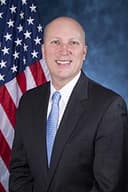
SPONSORSHIP
1 + 19
R· Texas
YRS IN OFFICE
7
BILLS LED
68
COSPONSOR BREAKDOWNBIPARTISAN · 0%
DEM 0 REP 19 IND 0
ACTION TIMELINE
2 EVENTSMAY 9
Introduced in House
MAY 9
Referred to the House Committee on Energy and Commerce.
BILL INFO
TypeHouse Bill
NumberHR 3321
Congress119th
StatusIn Committee
IntroducedMay 9, 2025
Last actionMay 9, 2025
READER REACTIONS
OVERALL SENTIMENT
No reactions yet. Be the first to weigh in.
Discussion
Loading comments...
IN COMMITTEE· 119TH CONGRESS · ENERGY AND COMMERCE COMMITTEE · INTRODUCED MAY 9, 2025
House BillHR 3321Health
Ending Medicaid Discrimination Against the Most Vulnerable Act
INTRODUCED MAY 9, 2025· LAST ACTION MAY 9, 2025
PASSAGE CHANCES
—%
READING
3 min
COSPONSORS
19
COMPLEXITY
Moderate