Bills · HR 3319
IN COMMITTEE· 119TH CONGRESS
House BillHR 3319Housing and Community Development
Women’s and Family Protection Act of 2025
INTRO MAY 9· LAST ACTION MAY 9
READING
4MIN
COSPONSORS
1
READER REACTIONS0 TOTAL
NO VOTES YET · BE THE FIRST
- Introduced only
LEGISLATIVE PROGRESS
STEP 2 / 8Introduced
In Committee
Reported
Passed House
Passed Senate
Conference
To President
Became Law
WHAT THE BILL DOES
AI-writtenThis bill matters because it could significantly change who receives federal homelessness assistance and how those services are delivered. If passed, it would broaden the federal definition of homelessness, potentially allowing more people in underserved areas to access help. It also explicitly prioritizes some of the most vulnerable homeless populations – women, children, and survivors of violence – by creating a dedicated funding stream and requiring specialized support.
By focusing resources on these groups and requiring trauma-informed services, the bill aims to address specific needs that might not be fully met by general homelessness programs. If it becomes law, it could lead to more tailored and effective support for these populations, helping them find stable housing and recover from trauma. If it doesn't pass, the definitions and funding structures for homelessness assistance would remain as they are, potentially leaving gaps in services for those in indigenous, rural, marginalized communities, and for victims of gender-based violence.
KEY PROVISIONS
5AI-extractedPROVISION 01
The bill amends the definition of a 'homeless individual' to include people residing in indigenous, rural, or marginalized communities, as defined by the Secretary.
This provision expands eligibility for federal homeless assistance programs to populations that may currently be underserved or excluded due to geographical or community-specific factors.
PROVISION 02
It specifically includes 'women, women with children, survivors and other persons at risk of gender-based violence' within the domestic violence definition for the purposes of the Act.
This change ensures that federal homelessness assistance programs explicitly recognize and prioritize the unique needs of these vulnerable populations who often face specific challenges in accessing safe housing.
PROVISION 03
It establishes a new Emergency Solutions Grants program set-aside, directing grants specifically to private nonprofit organizations serving 'high needs populations' such as homeless women, children, victims of gender-based violence, and seniors with a history of trauma.
This provision creates a dedicated funding stream to focus resources on groups identified as highly vulnerable, potentially leading to more specialized and effective services for them.
PROVISION 04
The bill outlines eligible activities for these grants, including operating costs, outpatient services (mental health, substance use), supportive services (childcare, therapy, victim services), and housing relocation/stabilization.
This ensures that the dedicated funds cover a comprehensive range of services critical for the immediate safety, recovery, and long-term stability of the target populations.
PROVISION 05
It requires grant recipients to submit evaluations of their activities, including unduplicated counts of specific populations served, individuals placed in housing, and coordination efforts.
This provision aims to ensure accountability and data collection, allowing for better assessment of program effectiveness and identification of best practices for helping vulnerable populations.
SPONSORSHIP
1 + 1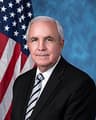
R· Florida
YRS IN OFFICE
5
BILLS LED
11
COSPONSOR BREAKDOWNBIPARTISAN · 0%
DEM 1 REP 0 IND 0
ACTION TIMELINE
2 EVENTSMAY 9
Introduced in House
MAY 9
Referred to the House Committee on Financial Services.
BILL INFO
TypeHouse Bill
NumberHR 3319
Congress119th
StatusIn Committee
IntroducedMay 9, 2025
Last actionMay 9, 2025
READER REACTIONS
OVERALL SENTIMENT
No reactions yet. Be the first to weigh in.
Discussion
Loading comments...
IN COMMITTEE· 119TH CONGRESS · FINANCIAL SERVICES COMMITTEE · INTRODUCED MAY 9, 2025
House BillHR 3319Housing and Community Development
Women’s and Family Protection Act of 2025
INTRODUCED MAY 9, 2025· LAST ACTION MAY 9, 2025
PASSAGE CHANCES
—%
READING
4 min
COSPONSORS
1
COMPLEXITY
Moderate