Bills · HR 3272
IN COMMITTEE· 119TH CONGRESS
House BillHR 3272Agriculture and Food
COMPOST Act
INTRO MAY 8· LAST ACTION MAY 8
READING
3MIN
COSPONSORS
3
READER REACTIONS0 TOTAL
NO VOTES YET · BE THE FIRST
- Introduced only
LEGISLATIVE PROGRESS
STEP 2 / 8Introduced
In Committee
Reported
Passed House
Passed Senate
Conference
To President
Became Law
WHAT THE BILL DOES
AI-writtenThis bill matters because it elevates composting to a recognized conservation practice, which could lead to widespread adoption of composting on farms. Composting helps improve soil health by adding organic matter, which in turn can reduce the need for synthetic fertilizers, improve water retention in soil, and make farms more resilient to drought.
By making composting eligible for existing federal conservation programs, the bill could provide financial incentives and technical guidance that many farmers currently lack. This could help divert organic waste from landfills, reducing methane emissions (a potent greenhouse gas) and contributing to efforts to combat climate change. If this bill becomes law, more farmers might embrace composting, leading to healthier soils, less waste, and a potentially more sustainable agricultural sector.
KEY PROVISIONS
4AI-extractedPROVISION 01
Requires the Department of Agriculture (USDA) to officially recognize composting as a conservation practice and activity.
This formal recognition makes composting eligible for federal support programs for the first time.
PROVISION 02
Amends existing laws to make composting practices eligible for the Conservation Stewardship Program (CSP) and the Environmental Quality Incentives Program (EQIP).
Farmers can now receive financial aid and technical assistance for composting through established USDA conservation initiatives.
PROVISION 03
Defines composting to include using organic waste from nearby communities, provided it results in a net reduction of greenhouse gas emissions.
This expands the scope of eligible composting activities and links farm composting to broader community waste management and environmental goals.
PROVISION 04
Mandates the Secretary of Agriculture to establish a specific practice standard for composting under federal conservation programs.
This ensures consistency and effectiveness in how composting is implemented and supported as a conservation practice.
SPONSORSHIP
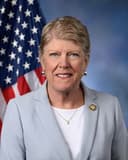
1 + 3
D· California
YRS IN OFFICE
13
BILLS LED
54
COSPONSOR BREAKDOWNBIPARTISAN · 0%
DEM 3 REP 0 IND 0
ACTION TIMELINE
2 EVENTSMAY 8
Introduced in House
MAY 8
Referred to the House Committee on Agriculture.
BILL INFO
TypeHouse Bill
NumberHR 3272
Congress119th
StatusIn Committee
IntroducedMay 8, 2025
Last actionMay 8, 2025
READER REACTIONS
OVERALL SENTIMENT
No reactions yet. Be the first to weigh in.
Discussion
Loading comments...
IN COMMITTEE· 119TH CONGRESS · AGRICULTURE COMMITTEE · INTRODUCED MAY 8, 2025
House BillHR 3272Agriculture and Food
COMPOST Act
INTRODUCED MAY 8, 2025· LAST ACTION MAY 8, 2025
PASSAGE CHANCES
—%
READING
3 min
COSPONSORS
3
COMPLEXITY
Moderate