Bills · HR 324
IN COMMITTEE· 119TH CONGRESS
House BillHR 324Commerce
PPP Shell Company Discovery Act
INTRO JAN 9· LAST ACTION JAN 9
READING
3MIN
COSPONSORS
0
READER REACTIONS0 TOTAL
NO VOTES YET · BE THE FIRST
- Introduced only
LEGISLATIVE PROGRESS
STEP 2 / 8Introduced
In Committee
Reported
Passed House
Passed Senate
Conference
To President
Became Law
WHAT THE BILL DOES
AI-writtenVoters should care about this bill because it addresses widespread concerns about fraud and misuse within the Paycheck Protection Program (PPP), a massive government effort to support businesses during the COVID-19 pandemic. Billions of taxpayer dollars were distributed, and many believe that some of these funds were obtained illegally.
If this bill becomes law, it could significantly enhance the government's ability to identify and prosecute individuals and entities that committed PPP loan fraud. This could lead to the recovery of misspent funds and ensure greater accountability for how emergency taxpayer money was used. If it does not pass, it might be more challenging for federal agencies to efficiently pinpoint fraudulent cases, potentially allowing more instances of fraud to go unpunished and leaving taxpayers to bear the cost of misallocated funds.
KEY PROVISIONS
4AI-extractedPROVISION 01
The Treasury Secretary must compile a comprehensive list of all PPP loan recipients, including their name, mailing address, taxpayer identification number, and the total amount of PPP loans they received.
This creates a central database of all PPP loan recipients to facilitate broad oversight and investigation into the program.
PROVISION 02
The IRS Commissioner must create a separate list of PPP loan recipients who did not deduct and withhold any FICA tax (payroll tax) during calendar year 2019.
This provision targets potential 'shell companies' or non-existent businesses that falsely claimed payroll expenses to obtain PPP loans.
PROVISION 03
The IRS Commissioner must create a list of PPP loan recipients whose total loan amounts were significantly larger than their reported 2019 FICA wages (specifically, equal to or exceeding four times their highest monthly 2019 FICA wages).
This identifies potential instances where businesses may have over-reported payroll or inflated their loan requests compared to their actual employment and wage expenses.
PROVISION 04
All compiled information, including tax return information from these lists, will be made available to officers and employees of the Internal Revenue Service and the Department of Justice for criminal investigations related to PPP loans.
This provides federal law enforcement with crucial data and specific targets to efficiently pursue cases of PPP loan fraud.
SPONSORSHIP
1 + 0
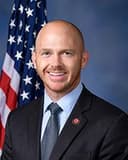
R· South Carolina
YRS IN OFFICE
7
BILLS LED
14
ACTION TIMELINE
2 EVENTSJAN 9
Introduced in House
JAN 9
Referred to the Committee on Ways and Means, and in addition to the Committee on Small Business, for a period to be subsequently determined by the Speaker, in each case for consideration of such provisions as fall within the jurisdiction of the committee concerned.
BILL INFO
TypeHouse Bill
NumberHR 324
Congress119th
StatusIn Committee
IntroducedJan 9, 2025
Last actionJan 9, 2025
READER REACTIONS
OVERALL SENTIMENT
No reactions yet. Be the first to weigh in.
Discussion
Loading comments...
IN COMMITTEE· 119TH CONGRESS · WAYS AND MEANS COMMITTEE · INTRODUCED JAN 9, 2025
House BillHR 324Commerce
PPP Shell Company Discovery Act
INTRODUCED JAN 9, 2025· LAST ACTION JAN 9, 2025
PASSAGE CHANCES
—%
READING
3 min
COSPONSORS
0
COMPLEXITY
Moderate