Bills · HR 3138
IN COMMITTEE· 119TH CONGRESS
House BillHR 3138International Affairs
Foreign Military Sales Reform Act of 2025
INTRO MAY 1· LAST ACTION MAY 1
READING
3MIN
COSPONSORS
1
READER REACTIONS0 TOTAL
NO VOTES YET · BE THE FIRST
- Introduced only
LEGISLATIVE PROGRESS
STEP 2 / 8Introduced
In Committee
Reported
Passed House
Passed Senate
Conference
To President
Became Law
WHAT THE BILL DOES
AI-writtenThis bill matters because it changes the balance of power between the executive branch and Congress regarding foreign military sales. By raising the dollar thresholds, the executive branch gains more authority to conduct certain arms sales without requiring Congress to be notified or have a chance to review them. This could mean faster delivery of weapons to allies and partners, potentially improving their ability to defend themselves or respond to threats.
However, it also reduces congressional oversight, which some believe is crucial for ensuring transparency, accountability, and alignment with U.S. values and long-term strategic interests. If the bill passes, more military sales would occur with less direct public and legislative scrutiny, which could lead to different foreign policy outcomes than if the previous thresholds remained in place. If it doesn't pass, the current oversight levels would continue.
KEY PROVISIONS
4AI-extractedPROVISION 01
Increases various dollar thresholds for transfers of defense articles and services under the Arms Export Control Act.
This is the core change, allowing more military sales to proceed without triggering congressional notification or review.
PROVISION 02
Requires the Office of the Inspector General of the Department of State to report to Congress on activities that circumvent these thresholds.
This provision aims to monitor and deter attempts to bypass congressional oversight, even with the new higher thresholds.
PROVISION 03
Prohibits any Federal employee from intentionally structuring transfers to avoid congressional reporting thresholds.
This explicitly makes it illegal for federal employees to manipulate sales to bypass congressional review.
PROVISION 04
Imposes penalties, including being barred from federal service and a $100,000 civil fine, on Department of State employees who knowingly circumvent notification requirements.
This establishes clear and severe consequences for State Department employees who deliberately bypass congressional oversight.
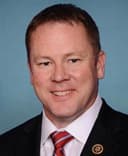
SPONSORSHIP
1 + 1
R· Ohio
YRS IN OFFICE
10
BILLS LED
43
COSPONSOR BREAKDOWNBIPARTISAN · 0%
DEM 0 REP 1 IND 0
ACTION TIMELINE
2 EVENTSMAY 1
Introduced in House
MAY 1
Referred to the House Committee on Foreign Affairs.
BILL INFO
TypeHouse Bill
NumberHR 3138
Congress119th
StatusIn Committee
IntroducedMay 1, 2025
Last actionMay 1, 2025
READER REACTIONS
OVERALL SENTIMENT
No reactions yet. Be the first to weigh in.
Discussion
Loading comments...
IN COMMITTEE· 119TH CONGRESS · FOREIGN AFFAIRS COMMITTEE · INTRODUCED MAY 1, 2025
House BillHR 3138International Affairs
Foreign Military Sales Reform Act of 2025
INTRODUCED MAY 1, 2025· LAST ACTION MAY 1, 2025
PASSAGE CHANCES
—%
READING
3 min
COSPONSORS
1
COMPLEXITY
Moderate