Bills · HR 3101
IN COMMITTEE· 119TH CONGRESS
House BillHR 3101Immigration
SHIELD Act
INTRO APR 30· LAST ACTION APR 30
READING
14MIN
COSPONSORS
18
READER REACTIONS0 TOTAL
NO VOTES YET · BE THE FIRST
- Introduced only
LEGISLATIVE PROGRESS
STEP 2 / 8Introduced
In Committee
Reported
Passed House
Passed Senate
Conference
To President
Became Law
WHAT THE BILL DOES
AI-writtenThis bill matters because it addresses a critical gap in the U.S. legal system: individuals facing deportation often do not have a right to a government-funded lawyer, unlike in criminal cases. This means many must navigate complex immigration laws alone against trained government prosecutors, often leading to detention, family separation, or deportation to dangerous situations.
If this bill becomes law, it would provide federal funding to bolster local efforts to offer legal counsel, potentially leading to fairer outcomes for individuals, keeping families together, and upholding due process. If it doesn't pass, the current situation of limited access to legal representation for many facing deportation would largely continue, with states and local groups bearing the primary burden of providing what legal aid exists.
KEY PROVISIONS
4AI-extractedPROVISION 01
Authorizes the Attorney General to establish a grant program.
This creates the federal mechanism to fund increased legal representation and infrastructure for individuals facing deportation.
PROVISION 02
Allows states, local governments, and qualified organizations to receive these competitive grants.
This broad eligibility ensures that funding can reach diverse entities already working in or expanding into immigration legal services.
PROVISION 03
Specifies that grant funds must be used for recruiting, training, and developing staff and infrastructure for immigration legal services.
This directs funding toward the specific needs of building capacity to provide high-quality legal representation.
PROVISION 04
Includes a 'Sense of Congress' section highlighting the lack of legal representation for individuals facing deportation and its negative consequences.
This section explains the legislative intent and the urgent need for the program by outlining the problems the bill seeks to address.
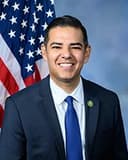
SPONSORSHIP
1 + 18
D· California
YRS IN OFFICE
3
BILLS LED
21
COSPONSOR BREAKDOWNBIPARTISAN · 0%
DEM 18 REP 0 IND 0
ACTION TIMELINE
2 EVENTSAPR 30
Introduced in House
APR 30
Referred to the House Committee on the Judiciary.
BILL INFO
TypeHouse Bill
NumberHR 3101
Congress119th
StatusIn Committee
IntroducedApr 30, 2025
Last actionApr 30, 2025
READER REACTIONS
OVERALL SENTIMENT
No reactions yet. Be the first to weigh in.
Discussion
Loading comments...
IN COMMITTEE· 119TH CONGRESS · JUDICIARY COMMITTEE · INTRODUCED APR 30, 2025
House BillHR 3101Immigration
SHIELD Act
INTRODUCED APR 30, 2025· LAST ACTION APR 30, 2025
PASSAGE CHANCES
—%
READING
14 min
COSPONSORS
18
COMPLEXITY
Moderate