Bills · HR 3100
REPORTED· 119TH CONGRESS
House BillHR 3100Criminal justice information and recordsContracts and agency
To amend the National Child Protection Act of 1993 to ensure that businesses and organizations that work with vulnerable populations are able to request background checks for their contractors who work with those populations, as well as for individuals that the businesses or organizations license or certify to provide care for those populations.
INTRO APR 30· LAST ACTION JUL 15
READING
2MIN
COSPONSORS
4BIPARTISAN
READER REACTIONS0 TOTAL
NO VOTES YET · BE THE FIRST
- Introduced only
LEGISLATIVE PROGRESS
STEP 3 / 8Introduced
In Committee
Reported
Passed House
Passed Senate
Conference
To President
Became Law
WHAT THE BILL DOES
AI-writtenThis bill matters because it aims to enhance the safety of vulnerable individuals, like children and the elderly, by closing potential gaps in current background check requirements. If this bill passes, it means that anyone paid to work with these populations, regardless of their specific employment arrangement (employee, contractor, or certified professional), could be subject to a thorough background check. If it doesn't pass, some individuals might continue to work with vulnerable populations without the same level of screening as direct employees, potentially leaving a loophole for those with a history of harmful behavior to gain access. This addresses concerns about ensuring consistent safety standards across various types of care providers.
KEY PROVISIONS
3AI-extractedPROVISION 01
Expands the definition of 'covered individual' to include those who contract directly with organizations working with vulnerable populations.
This ensures that independent contractors are subject to the same background checks as traditional employees, reducing potential safety gaps.
PROVISION 02
Includes individuals who are employed by or volunteer with an entity that is under contract with a qualified organization.
This provision extends background checks to subcontractors, ensuring that all tiers of service providers interacting with vulnerable populations are screened.
PROVISION 03
Adds individuals who are licensed or certified by a qualified entity to the scope of those subject to background checks.
This ensures that professionals endorsed by these organizations, even if not directly employed, are also vetted for safety.
SPONSORSHIP
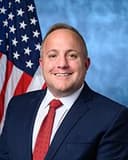
1 + 4
R· South Carolina
YRS IN OFFICE
3
BILLS LED
19
COSPONSOR BREAKDOWNBIPARTISAN · 50%
DEM 1 REP 3 IND 0
ACTION TIMELINE
6 EVENTSJUL 15
Committee Consideration and Mark-up Session Held
JUL 15
Ordered to be Reported (Amended) by the Yeas and Nays: 23 - 0.
APR 30
Introduced in House
APR 30
Referred to the House Committee on the Judiciary.
BILL INFO
TypeHouse Bill
NumberHR 3100
Congress119th
StatusReported
IntroducedApr 30, 2025
Last actionJul 15, 2026
READER REACTIONS
OVERALL SENTIMENT
No reactions yet. Be the first to weigh in.
Discussion
Loading comments...
REPORTED· 119TH CONGRESS · JUDICIARY COMMITTEE · INTRODUCED APR 30, 2025
House BillHR 3100Criminal justice information and recordsContracts and agency
To amend the National Child Protection Act of 1993 to ensure that businesses and organizations that work with vulnerable populations are able to request background checks for their contractors who work with those populations, as well as for individuals that the businesses or organizations license or certify to provide care for those populations.
INTRODUCED APR 30, 2025· LAST ACTION JUL 15, 2026
PASSAGE CHANCES
—%
READING
2 min
COSPONSORS
4
COMPLEXITY
Moderate