Bills · HR 3093
IN COMMITTEE· 119TH CONGRESS
House BillHR 3093Government Operations and Politics
REHIRE Act
INTRO APR 30· LAST ACTION APR 30
READING
2MIN
COSPONSORS
26
READER REACTIONS0 TOTAL
NO VOTES YET · BE THE FIRST
- Introduced only
LEGISLATIVE PROGRESS
STEP 2 / 8Introduced
In Committee
Reported
Passed House
Passed Senate
Conference
To President
Became Law
WHAT THE BILL DOES
AI-writtenThis bill matters because it establishes a safety net for a specific group of career federal employees who might be impacted by shifts in government policy or administration, leading to involuntary job loss. By offering a clear path back into federal service, it could help retain institutional knowledge and experience within the government, preventing a 'brain drain' if large numbers of skilled employees are let go.
If this bill becomes law, it means that experienced federal workers who are laid off (not for cause) would have a clearer and more advantageous route to re-employment, potentially reducing personal hardship and maintaining federal workforce continuity. If it doesn't pass, these employees would need to compete for jobs without this added preference, potentially making their re-entry into government service more difficult and prolonging their unemployment.
KEY PROVISIONS
4AI-extractedPROVISION 01
Grants 'preference eligible' status to federal employees involuntarily removed from the civil service between January 1, 2025, and January 1, 2027.
This status provides a significant hiring advantage, similar to what is given to veterans, making it easier for these individuals to be rehired by the government.
PROVISION 02
Awards 5 additional points to the earned rating of these eligible former employees when applying for positions in the competitive service.
These extra points directly improve their chances of being selected for a federal job, giving them a competitive edge over other applicants.
PROVISION 03
Excludes individuals removed from political positions, for clearly documented misconduct or delinquency, or with unacceptable performance reviews prior to separation.
This ensures the hiring preference is only given to career civil servants who were involuntarily removed through no fault of their own, preventing its application to those fired for cause or political appointees.
PROVISION 04
Sets an expiration date for the authority to grant this hiring preference five years after the bill is enacted.
This provision ensures that the special hiring preference is a temporary measure, limiting its duration and potential long-term impact on federal hiring practices.
SPONSORSHIP
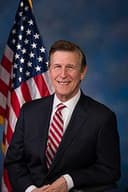
1 + 26
D· Virginia
YRS IN OFFICE
11
BILLS LED
63
COSPONSOR BREAKDOWNBIPARTISAN · 0%
DEM 26 REP 0 IND 0
ACTION TIMELINE
2 EVENTSAPR 30
Introduced in House
APR 30
Referred to the House Committee on Oversight and Government Reform.
BILL INFO
TypeHouse Bill
NumberHR 3093
Congress119th
StatusIn Committee
IntroducedApr 30, 2025
Last actionApr 30, 2025
READER REACTIONS
OVERALL SENTIMENT
No reactions yet. Be the first to weigh in.
Discussion
Loading comments...
IN COMMITTEE· 119TH CONGRESS · OVERSIGHT AND GOVERNMENT REFORM COMMITTEE · INTRODUCED APR 30, 2025
House BillHR 3093Government Operations and Politics
REHIRE Act
INTRODUCED APR 30, 2025· LAST ACTION APR 30, 2025
PASSAGE CHANCES
—%
READING
2 min
COSPONSORS
26
COMPLEXITY
Moderate