Bills · HR 3089
IN COMMITTEE· 119TH CONGRESS
House BillHR 3089Labor and Employment
More Paid Leave for More Americans Act
INTRO APR 30· LAST ACTION APR 30
READING
25MIN
COSPONSORS
9BIPARTISAN
READER REACTIONS0 TOTAL
NO VOTES YET · BE THE FIRST
- Introduced only
LEGISLATIVE PROGRESS
STEP 2 / 8Introduced
In Committee
Reported
Passed House
Passed Senate
Conference
To President
Became Law
WHAT THE BILL DOES
AI-writtenThis bill matters because it addresses a significant challenge many American families face: the lack of paid time off when a new child arrives. Currently, only some states and employers offer paid family leave, leaving many workers, particularly those in lower-wage jobs, unable to afford time off to bond with a newborn or adopted child. If this bill becomes law, it would provide a strong financial incentive for states to implement or improve their paid family leave policies, potentially making paid leave for new parents much more widespread across the country.
Without this bill, the expansion of paid family leave would continue to depend on individual state legislative efforts, which can be slow and inconsistent, or voluntary employer programs. By offering federal grants, the bill aims to accelerate this process and establish a baseline of benefits for new parents, helping to reduce financial stress during a critical family transition. It could lead to more financial security for families, better health outcomes for parents and children, and improved workforce retention for businesses.
KEY PROVISIONS
5AI-extractedPROVISION 01
Establishes a competitive grant program for states to create or enhance paid family leave programs.
This provides federal financial support, encouraging more states to offer paid leave for new parents.
PROVISION 02
Requires participating states to provide at least six weeks of paid leave for the birth or adoption of a child.
Sets a minimum standard for paid leave duration, ensuring substantial time off for new parents.
PROVISION 03
Defines how weekly paid leave benefits are calculated, with higher percentages for lower-income workers (up to 67%) and 50% for higher earners.
Aims to make paid leave financially accessible, especially for those who need it most.
PROVISION 04
Prioritizes grants for states with lower current paid leave access, a plan for self-funding without long-term federal reliance, and those serving low-income populations.
Directs resources to states where paid leave is most needed and encourages sustainable state programs.
PROVISION 05
Establishes the Interstate Paid Leave Action Network, which states must participate in to be eligible for grants, and allows employers to self-administer benefits if they meet or exceed state program standards.
Promotes state collaboration and offers flexibility for businesses, potentially easing implementation.
SPONSORSHIP
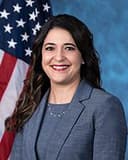
1 + 9
R· Oklahoma
YRS IN OFFICE
5
BILLS LED
33
COSPONSOR BREAKDOWNBIPARTISAN · 88%
DEM 5 REP 4 IND 0
ACTION TIMELINE
2 EVENTSAPR 30
Introduced in House
APR 30
Referred to the Committee on Education and Workforce, and in addition to the Committees on Ways and Means, Armed Services, Oversight and Government Reform, House Administration, and the Judiciary, for a period to be subsequently determined by the Speaker, in each case for consideration of such provisions as fall within the jurisdiction of the committee concerned.
BILL INFO
TypeHouse Bill
NumberHR 3089
Congress119th
StatusIn Committee
IntroducedApr 30, 2025
Last actionApr 30, 2025
READER REACTIONS
OVERALL SENTIMENT
No reactions yet. Be the first to weigh in.
Discussion
Loading comments...
IN COMMITTEE· 119TH CONGRESS · OVERSIGHT AND GOVERNMENT REFORM COMMITTEE · INTRODUCED APR 30, 2025
House BillHR 3089Labor and Employment
More Paid Leave for More Americans Act
INTRODUCED APR 30, 2025· LAST ACTION APR 30, 2025
PASSAGE CHANCES
—%
READING
25 min
COSPONSORS
9
COMPLEXITY
Moderate