Bills · HR 3065
IN COMMITTEE· 119TH CONGRESS
House BillHR 3065Crime and Law Enforcement
Felony Murder for Deadly Fentanyl Distribution Act of 2025
INTRO APR 29· LAST ACTION APR 29
READING
2MIN
COSPONSORS
5
READER REACTIONS0 TOTAL
NO VOTES YET · BE THE FIRST
- Introduced only
LEGISLATIVE PROGRESS
STEP 2 / 8Introduced
In Committee
Reported
Passed House
Passed Senate
Conference
To President
Became Law
WHAT THE BILL DOES
AI-writtenThis bill matters because it significantly raises the stakes for anyone involved in distributing fentanyl, especially given the ongoing overdose crisis. Fentanyl is an extremely potent opioid, and even small amounts can be deadly. By classifying distribution that results in death as first-degree murder, the bill aims to deter distributors and hold them accountable with the harshest possible penalties, including the death penalty or life imprisonment. This could lead to a substantial shift in how federal authorities prosecute fentanyl-related deaths.
If this bill becomes law, the legal consequences for fentanyl distribution resulting in death would be far more severe than current drug trafficking penalties. This would reflect a societal stance that such acts are tantamount to murder. If it does not become law, fentanyl distributors whose actions lead to death would continue to be prosecuted under existing drug trafficking and homicide laws, which may carry less severe penalties than first-degree murder and typically do not include the death penalty for drug distribution offenses alone.
KEY PROVISIONS
3AI-extractedPROVISION 01
Amends federal law to classify the distribution of fentanyl resulting in death as first-degree murder, specifically a type of felony murder.
This provision significantly elevates the legal gravity of causing a death through fentanyl distribution, aligning it with other serious violent crimes.
PROVISION 02
Establishes that individuals found guilty of first-degree murder through fentanyl distribution shall be punished by death or life imprisonment.
These are the harshest penalties available under federal law, reflecting the severe consequences intended for this crime.
PROVISION 03
Defines 'distributing fentanyl' for the purpose of this act, including specific amounts (2 grams or more of mixture, or 0.5 grams or more of analogue) and a requirement that the distributor knew or had reason to know it contained fentanyl and that its use resulted in death.
This provision sets clear thresholds and intent requirements, which are crucial for determining who would fall under the scope of this new murder charge.
SPONSORSHIP
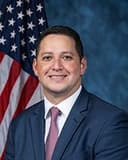
1 + 5
R· Texas
YRS IN OFFICE
5
BILLS LED
29
COSPONSOR BREAKDOWNBIPARTISAN · 0%
DEM 0 REP 5 IND 0
ACTION TIMELINE
2 EVENTSAPR 29
Introduced in House
APR 29
Referred to the House Committee on the Judiciary.
BILL INFO
TypeHouse Bill
NumberHR 3065
Congress119th
StatusIn Committee
IntroducedApr 29, 2025
Last actionApr 29, 2025
READER REACTIONS
OVERALL SENTIMENT
No reactions yet. Be the first to weigh in.
Discussion
Loading comments...
IN COMMITTEE· 119TH CONGRESS · JUDICIARY COMMITTEE · INTRODUCED APR 29, 2025
House BillHR 3065Crime and Law Enforcement
Felony Murder for Deadly Fentanyl Distribution Act of 2025
INTRODUCED APR 29, 2025· LAST ACTION APR 29, 2025
PASSAGE CHANCES
—%
READING
2 min
COSPONSORS
5
COMPLEXITY
Moderate