Bills · HR 2929
IN COMMITTEE· 119TH CONGRESS
House BillHR 2929Native Americans
Haliwa Saponi Indian Tribe of North Carolina Act
INTRO APR 17· LAST ACTION APR 17
READING
5MIN
COSPONSORS
0
READER REACTIONS0 TOTAL
NO VOTES YET · BE THE FIRST
- Introduced only
LEGISLATIVE PROGRESS
STEP 2 / 8Introduced
In Committee
Reported
Passed House
Passed Senate
Conference
To President
Became Law
WHAT THE BILL DOES
AI-writtenThis bill matters because it rectifies a historical gap in federal recognition for a tribe that has long been recognized by the State of North Carolina and has an established history and community. Federal recognition opens the door to critical funding and resources for the Haliwa Saponi Tribe, which can significantly improve their quality of life, economic opportunities, and self-sufficiency. Without federal recognition, tribes often struggle to access the full scope of support available to Native American communities, limiting their ability to build essential infrastructure, provide social services, and preserve their cultural heritage.
If this bill becomes law, the Haliwa Saponi Tribe will gain the full benefits and legal standing of a federally recognized tribe, including the ability to acquire trust land for a reservation, which is crucial for tribal sovereignty and economic development. If it doesn't become law, the tribe will continue to lack this federal relationship, hindering their access to many federal programs and their ability to fully exercise self-governance as a sovereign nation, despite their state recognition and historical ties to the land.
KEY PROVISIONS
4AI-extractedPROVISION 01
Extends full federal government-to-government relations to the Haliwa Saponi Indian Tribe.
This formally establishes the tribe's legal status as a sovereign nation in relation to the U.S. government, on par with other federally recognized tribes.
PROVISION 02
Makes the Tribe and its members eligible for all federal services and benefits provided to federally recognized Indian Tribes.
This provision unlocks access to crucial federal funding and programs for healthcare, education, housing, and economic development for the tribal community.
PROVISION 03
Defines the service area for federal services and benefits to include six specific counties in North Carolina.
This clarifies the geographical scope for service delivery, ensuring that tribal members in their traditional home region receive support.
PROVISION 04
Authorizes the Secretary of the Interior to take land into trust for the benefit of the Tribe and proclaim a reservation.
This enables the tribe to establish a secure land base, crucial for self-governance, economic development, and cultural preservation, similar to other federally recognized tribes.
SPONSORSHIP
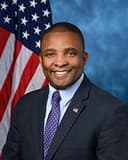
1 + 0
D· North Carolina
YRS IN OFFICE
3
BILLS LED
30
ACTION TIMELINE
2 EVENTSAPR 17
Introduced in House
APR 17
Referred to the House Committee on Natural Resources.
BILL INFO
TypeHouse Bill
NumberHR 2929
Congress119th
StatusIn Committee
IntroducedApr 17, 2025
Last actionApr 17, 2025
READER REACTIONS
OVERALL SENTIMENT
No reactions yet. Be the first to weigh in.
Discussion
Loading comments...
IN COMMITTEE· 119TH CONGRESS · NATURAL RESOURCES COMMITTEE · INTRODUCED APR 17, 2025
House BillHR 2929Native Americans
Haliwa Saponi Indian Tribe of North Carolina Act
INTRODUCED APR 17, 2025· LAST ACTION APR 17, 2025
PASSAGE CHANCES
—%
READING
5 min
COSPONSORS
0
COMPLEXITY
Moderate