Bills · HR 2854
IN COMMITTEE· 119TH CONGRESS
House BillHR 2854Taxation
Neighborhood Homes Investment Act
INTRO APR 10· LAST ACTION APR 10
READING
26MIN
COSPONSORS
70BIPARTISAN
READER REACTIONS0 TOTAL
NO VOTES YET · BE THE FIRST
- Introduced only
LEGISLATIVE PROGRESS
STEP 2 / 8Introduced
In Committee
Reported
Passed House
Passed Senate
Conference
To President
Became Law
WHAT THE BILL DOES
AI-writtenVoters should care about this bill because it directly addresses the national housing shortage and affordability crisis, particularly in communities that have historically been overlooked. If this bill becomes law, it could spur significant investment and development in distressed neighborhoods, leading to more affordable homes for sale, increased homeownership rates, and a boost in local economies through construction jobs and related services. This could help families build wealth through home equity and create more stable, vibrant communities.
If this bill does not become law, the challenges of insufficient housing supply, lack of affordable starter homes, and the 'value gap' in distressed communities would likely continue. This means fewer opportunities for homeownership in these areas and slower progress on neighborhood revitalization. The bill represents a specific approach to using tax incentives to tackle these pervasive economic and social issues.
KEY PROVISIONS
4AI-extractedPROVISION 01
Establishes a new federal tax credit called the 'Neighborhood Homes Credit' to incentivize building or significantly rehabilitating homes.
This is the core mechanism of the bill, providing financial motivation for developers to invest in underserved housing markets.
PROVISION 02
The tax credit covers the 'value gap,' which is the difference between the reasonable cost to develop a home and its eventual sale price, up to specific limits.
It directly tackles the financial barrier that often prevents new construction and renovation in distressed areas where property values are low.
PROVISION 03
Defines 'qualified residences' (homes up to 4 units, condos, co-ops) and requires them to be located in 'qualified census tracts' (areas with specific income, poverty, and home value criteria).
This ensures the tax credit is targeted to the types of housing and the specific communities most in need of revitalization.
PROVISION 04
Requires a 'neighborhood homes credit agency' to allocate credits, determine reasonable development costs, and ensure project feasibility.
This introduces a layer of oversight and local control, aiming to ensure that projects align with community needs and are financially viable.
SPONSORSHIP
1 + 70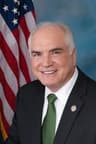
R· Pennsylvania
YRS IN OFFICE
15
BILLS LED
34
COSPONSOR BREAKDOWNBIPARTISAN · 80%
DEM 42 REP 28 IND 0
ACTION TIMELINE
2 EVENTSAPR 10
Introduced in House
APR 10
Referred to the House Committee on Ways and Means.
BILL INFO
TypeHouse Bill
NumberHR 2854
Congress119th
StatusIn Committee
IntroducedApr 10, 2025
Last actionApr 10, 2025
READER REACTIONS
OVERALL SENTIMENT
No reactions yet. Be the first to weigh in.
Discussion
Loading comments...
IN COMMITTEE· 119TH CONGRESS · WAYS AND MEANS COMMITTEE · INTRODUCED APR 10, 2025
House BillHR 2854Taxation
Neighborhood Homes Investment Act
INTRODUCED APR 10, 2025· LAST ACTION APR 10, 2025
PASSAGE CHANCES
—%
READING
26 min
COSPONSORS
70
COMPLEXITY
Moderate