Bills · HR 2737
IN COMMITTEE· 119TH CONGRESS
House BillHR 2737Government Operations and Politics
ELON MUSK Act
INTRO APR 8· LAST ACTION APR 8
READING
1MIN
COSPONSORS
18
READER REACTIONS0 TOTAL
NO VOTES YET · BE THE FIRST
- Introduced only
LEGISLATIVE PROGRESS
STEP 2 / 8Introduced
In Committee
Reported
Passed House
Passed Senate
Conference
To President
Became Law
WHAT THE BILL DOES
AI-writtenVoters should care about this bill because it addresses concerns about fairness and potential conflicts of interest within the federal government. When individuals serve the government in an advisory capacity while simultaneously holding government contracts, there's a risk that their advice or decisions could be influenced by their financial interests, rather than solely by the public good.
If this bill becomes law, it would create a clearer separation between temporary government service and federal contracting, aiming to ensure that government decisions are made without personal financial bias. If it doesn't pass, the current system, where special Government employees can hold federal contracts, would continue, potentially leaving open the possibility of perceived or actual conflicts of interest in how taxpayer money is spent and how policy is shaped.
KEY PROVISIONS
3AI-extractedPROVISION 01
Prohibits special Government employees from entering into new contracts or agreements with the Federal Government.
This prevents future conflicts of interest where temporary government workers might profit from federal contracts.
PROVISION 02
Requires the termination of any existing contracts or agreements held by special Government employees with the Federal Government.
This immediately addresses current potential conflicts of interest and ensures a clean break between temporary government service and federal contracts.
PROVISION 03
Defines "special Government employee" by referencing section 202 of title 18, United States Code.
This clarifies exactly which group of temporary government workers is subject to the new prohibitions and terminations.
SPONSORSHIP
1 + 18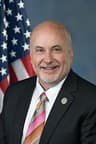
D· Wisconsin
YRS IN OFFICE
13
BILLS LED
24
COSPONSOR BREAKDOWNBIPARTISAN · 0%
DEM 18 REP 0 IND 0
ACTION TIMELINE
2 EVENTSAPR 8
Introduced in House
APR 8
Referred to the House Committee on Oversight and Government Reform.
BILL INFO
TypeHouse Bill
NumberHR 2737
Congress119th
StatusIn Committee
IntroducedApr 8, 2025
Last actionApr 8, 2025
READER REACTIONS
OVERALL SENTIMENT
No reactions yet. Be the first to weigh in.
Discussion
Loading comments...
IN COMMITTEE· 119TH CONGRESS · OVERSIGHT AND GOVERNMENT REFORM COMMITTEE · INTRODUCED APR 8, 2025
House BillHR 2737Government Operations and Politics
ELON MUSK Act
INTRODUCED APR 8, 2025· LAST ACTION APR 8, 2025
PASSAGE CHANCES
—%
READING
1 min
COSPONSORS
18
COMPLEXITY
Moderate