Bills · HR 2638
IN COMMITTEE· 119TH CONGRESS
House BillHR 2638Agriculture and Food
Women in Agriculture Act
INTRO APR 3· LAST ACTION APR 18
READING
4MIN
COSPONSORS
4BIPARTISAN
READER REACTIONS0 TOTAL
NO VOTES YET · BE THE FIRST
- Introduced only
LEGISLATIVE PROGRESS
STEP 2 / 8Introduced
In Committee
Reported
Passed House
Passed Senate
Conference
To President
Became Law
WHAT THE BILL DOES
AI-writtenThis bill addresses several challenges faced by women in agriculture. By creating a dedicated liaison, it aims to reduce barriers for women trying to access federal support programs, ensuring they receive necessary information and assistance. This could lead to more women successfully securing loans, grants, and other resources critical for their farming operations.
The requirement for detailed reporting on funding for woman-owned operations is important because it would provide data to assess current disparities and track progress over time. Furthermore, promoting research into ergonomically designed equipment for women acknowledges that standard farm machinery may not always be suitable, which can improve safety and efficiency for a significant portion of the agricultural workforce. Finally, by prioritizing childcare solutions in rural areas, the bill tackles a critical issue that often hinders economic participation and quality of life for families in farming communities. If this bill becomes law, these efforts could lead to more equitable support, safer working conditions, and stronger community infrastructure for women in agriculture; if it doesn't, these specific efforts to address these issues would not be mandated.
KEY PROVISIONS
4AI-extractedPROVISION 01
Establishes a Women Farmers and Ranchers Liaison within the Department of Agriculture (USDA). This liaison will provide information, assist with applications for agricultural programs, and advocate for women farmers and ranchers.
This creates a dedicated resource to help women in agriculture navigate federal programs and ensures their concerns are represented within the USDA.
PROVISION 02
Requires the liaison to submit annual reports to Congress and the public on grants, loans, and other financial assistance provided to woman-owned agriculture operations by specific USDA agencies.
This provision aims to increase transparency and gather data on funding distribution, which can highlight disparities and inform future policy decisions.
PROVISION 03
Authorizes research and extension grants for developing and widely making available agricultural equipment and machinery that is ergonomically designed for use by women.
This acknowledges unique physical needs and promotes the development of safer and more efficient tools for women in farming.
PROVISION 04
Requires the Secretary of Agriculture to give priority for certain loans and grants to applicants proposing to address childcare availability, quality, or cost in agricultural or rural communities.
This aims to alleviate a major challenge for many families in rural areas, potentially boosting economic participation and community well-being.
SPONSORSHIP
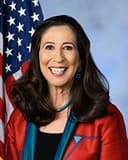
1 + 4
D· New Mexico
YRS IN OFFICE
5
BILLS LED
38
COSPONSOR BREAKDOWNBIPARTISAN · 100%
DEM 2 REP 2 IND 0
ACTION TIMELINE
3 EVENTSAPR 18
Referred to the Subcommittee on Conservation, Research, and Biotechnology.
APR 3
Introduced in House
APR 3
Referred to the House Committee on Agriculture.
BILL INFO
TypeHouse Bill
NumberHR 2638
Congress119th
StatusIn Committee
IntroducedApr 3, 2025
Last actionApr 18, 2025
READER REACTIONS
OVERALL SENTIMENT
No reactions yet. Be the first to weigh in.
Discussion
Loading comments...
IN COMMITTEE· 119TH CONGRESS · AGRICULTURE COMMITTEE · INTRODUCED APR 3, 2025
House BillHR 2638Agriculture and Food
Women in Agriculture Act
INTRODUCED APR 3, 2025· LAST ACTION APR 18, 2025
PASSAGE CHANCES
—%
READING
4 min
COSPONSORS
4
COMPLEXITY
Moderate