Bills · HR 2617
REPORTED· 119TH CONGRESS
House BillHR 2617Sex, gender, sexual orientation discriminationElementary and secondary education
Say No to Indoctrination Act
INTRO APR 3· LAST ACTION JAN 13
READING
2MIN
COSPONSORS
4
READER REACTIONS0 TOTAL
NO VOTES YET · BE THE FIRST
- Reported, not passed
LEGISLATIVE PROGRESS
STEP 3 / 8Introduced
In Committee
Reported
Passed House
Passed Senate
Conference
To President
Became Law
WHAT THE BILL DOES
AI-writtenVoters should care about this bill because it directly influences what can and cannot be taught in public schools using federal money, touching on broad issues of curriculum control and parental rights. If this bill becomes law, it could lead to significant changes in how schools address gender-related topics, potentially removing certain discussions or perspectives from federally funded programs.
If the bill does not become law, schools would continue to have the discretion to use federal ESEA funds for programs and materials that discuss gender, without the specific restrictions proposed by this bill. This debate reflects a larger national conversation about the role of schools in teaching controversial topics and the balance between federal guidance and local control over education.
KEY PROVISIONS
2AI-extractedPROVISION 01
Amends the Elementary and Secondary Education Act (ESEA) to prohibit the use of federal funds to teach or advance concepts related to gender ideology.
This directly restricts how federal money can be spent in K-12 schools, potentially changing curricula and programs nationwide.
PROVISION 02
Defines 'gender ideology' by referencing Section 2 of Executive Order 14168, which is described as 'defending women from gender ideology extremism and restoring biological truth to the Federal Government.'
The specific definition from the Executive Order will determine the precise scope of what is prohibited from being taught with federal funds.
SPONSORSHIP
1 + 4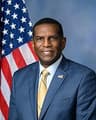
R· Utah
YRS IN OFFICE
5
BILLS LED
28
COSPONSOR BREAKDOWNBIPARTISAN · 0%
DEM 0 REP 4 IND 0
ACTION TIMELINE
6 EVENTSJAN 13
Reported (Amended) by the Committee on Education and Workforce. H. Rept. 119-442.
JAN 13
Placed on the Union Calendar, Calendar No. 378.
APR 9
Committee Consideration and Mark-up Session Held
APR 9
Ordered to be Reported (Amended) by the Yeas and Nays: 18 - 12.
BILL INFO
TypeHouse Bill
NumberHR 2617
Congress119th
StatusReported
IntroducedApr 3, 2025
Last actionJan 13, 2026
READER REACTIONS
OVERALL SENTIMENT
No reactions yet. Be the first to weigh in.
Discussion
Loading comments...
REPORTED· 119TH CONGRESS · EDUCATION AND WORKFORCE COMMITTEE · INTRODUCED APR 3, 2025
House BillHR 2617Sex, gender, sexual orientation discriminationElementary and secondary education
Say No to Indoctrination Act
INTRODUCED APR 3, 2025· LAST ACTION JAN 13, 2026
PASSAGE CHANCES
—%
READING
2 min
COSPONSORS
4
COMPLEXITY
Moderate