Bills · HR 252
PASSED HOUSE· 119TH CONGRESS
House BillHR 252Navigation, waterways, harborsChina
Secure Our Ports Act of 2025
INTRO JAN 9· LAST ACTION JUN 10
READING
1MIN
COSPONSORS
2BIPARTISAN
READER REACTIONS0 TOTAL
NO VOTES YET · BE THE FIRST
- One chamber only
LEGISLATIVE PROGRESS
STEP 4 / 8Introduced
In Committee
Reported
Passed House
Passed Senate
Conference
To President
Became Law
WHAT THE BILL DOES
AI-writtenVoters should care about this bill because it directly addresses concerns about national security and the control of crucial American infrastructure. If this bill becomes law, it would prevent countries considered geopolitical rivals or adversaries from owning, leasing, or operating significant parts of U.S. port facilities, which are vital for both trade and military logistics. This could help prevent potential espionage, sabotage, or undue influence over the flow of goods and information.
Without this law, entities tied to these countries could potentially increase their involvement in U.S. port operations, which some argue could pose risks to economic security, supply chain integrity, and national defense. The bill aims to close a potential vulnerability by ensuring that the management and control of U.S. ports remain free from the influence of these specific foreign governments.
KEY PROVISIONS
3AI-extractedPROVISION 01
Prohibits owners/operators of certain U.S. port facilities from contracting with state-owned enterprises of China, Russia, North Korea, or Iran.
This provision directly targets foreign government control over critical U.S. infrastructure.
PROVISION 02
Extends the prohibition to any foreign entity that is even partially owned by China, Russia, North Korea, or Iran.
This broadens the scope to prevent indirect influence or circumvention of the ban through complex ownership structures.
PROVISION 03
Applies to contracts for the ownership, leasing, or operation of covered port facilities.
This covers various forms of control and involvement in port management, not just direct ownership.
SPONSORSHIP
1 + 2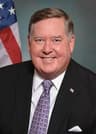
R· California
YRS IN OFFICE
33
BILLS LED
26
COSPONSOR BREAKDOWNBIPARTISAN · 100%
DEM 1 REP 1 IND 0
ACTION TIMELINE
15 EVENTSJUN 10
Received in the Senate and Read twice and referred to the Committee on Commerce, Science, and Transportation.
JUN 9
Mr. Ezell moved to suspend the rules and pass the bill, as amended.
JUN 9
Considered under suspension of the rules. (consideration: CR H2556-2557)
JUN 9
DEBATE - The House proceeded with forty minutes of debate on H.R. 252.
BILL INFO
TypeHouse Bill
NumberHR 252
Congress119th
StatusPassed House
IntroducedJan 9, 2025
Last actionJun 10, 2025
READER REACTIONS
OVERALL SENTIMENT
No reactions yet. Be the first to weigh in.
Discussion
Loading comments...
PASSED HOUSE· 119TH CONGRESS · TRANSPORTATION AND INFRASTRUCTURE COMMITTEE · INTRODUCED JAN 9, 2025
House BillHR 252Navigation, waterways, harborsChina
Secure Our Ports Act of 2025
INTRODUCED JAN 9, 2025· LAST ACTION JUN 10, 2025
PASSAGE CHANCES
—%
READING
1 min
COSPONSORS
2
COMPLEXITY
Moderate