Bills · HR 2468
IN COMMITTEE· 119TH CONGRESS
House BillHR 2468International Affairs
No Sanctions Relief for Terrorists Act
INTRO MAR 27· LAST ACTION MAR 27
READING
2MIN
COSPONSORS
2
READER REACTIONS0 TOTAL
NO VOTES YET · BE THE FIRST
- Introduced only
LEGISLATIVE PROGRESS
STEP 2 / 8Introduced
In Committee
Reported
Passed House
Passed Senate
Conference
To President
Became Law
WHAT THE BILL DOES
AI-writtenThis bill matters because it represents a significant shift in how the U.S. government approaches sanctions against Iran, particularly concerning entities linked to terrorism. If it becomes law, it would make it much harder for a sitting President to use sanctions relief as a tool in diplomatic negotiations or as a gesture of goodwill, especially with those Iranian groups designated for terrorism. This could reduce the Executive Branch's flexibility in foreign policy with Iran.
For voters, this bill highlights the ongoing debate about the balance of power between the President and Congress in foreign policy and national security. It reflects a desire by some in Congress to maintain maximum pressure on Iran over its alleged support for terrorism. If the bill passes, it could mean that U.S. policy towards these sanctioned Iranian entities remains consistently tough, regardless of changes in administration or diplomatic efforts, unless a clear certification of non-involvement in terrorism is made. If it doesn't pass, the President retains more discretion to issue waivers or licenses as deemed necessary for foreign policy objectives.
KEY PROVISIONS
3AI-extractedPROVISION 01
Prohibits the President from granting special permissions (licenses or waivers) to lift sanctions on specific Iranian individuals and entities that were on the U.S. terrorism sanctions list as of January 20, 2021.
This provision directly limits the President's power to ease sanctions on certain Iranian entities.
PROVISION 02
Requires the President to certify to four key congressional committees that these foreign persons have ceased their involvement in terrorism before any such license or waiver can be granted.
This increases congressional oversight over the lifting of terrorism-related sanctions.
PROVISION 03
Clarifies that the prohibition does not restrict general licenses issued by the Office of Foreign Assets Control that were already in effect on January 20, 2021.
This ensures that certain broad, existing exceptions to sanctions (e.g., humanitarian) are not unintentionally cancelled.
SPONSORSHIP
1 + 2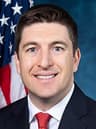
R· Wisconsin
YRS IN OFFICE
7
BILLS LED
35
COSPONSOR BREAKDOWNBIPARTISAN · 0%
DEM 0 REP 2 IND 0
ACTION TIMELINE
2 EVENTSMAR 27
Introduced in House
MAR 27
Referred to the House Committee on Foreign Affairs.
BILL INFO
TypeHouse Bill
NumberHR 2468
Congress119th
StatusIn Committee
IntroducedMar 27, 2025
Last actionMar 27, 2025
READER REACTIONS
OVERALL SENTIMENT
No reactions yet. Be the first to weigh in.
Discussion
Loading comments...
IN COMMITTEE· 119TH CONGRESS · FOREIGN AFFAIRS COMMITTEE · INTRODUCED MAR 27, 2025
House BillHR 2468International Affairs
No Sanctions Relief for Terrorists Act
INTRODUCED MAR 27, 2025· LAST ACTION MAR 27, 2025
PASSAGE CHANCES
—%
READING
2 min
COSPONSORS
2
COMPLEXITY
Moderate