Bills · HR 2462
REPORTED· 119TH CONGRESS
House BillHR 2462BirdsLivestock
Black Vulture Relief Act
INTRO MAR 27· LAST ACTION OCT 3
READING
4MIN
COSPONSORS
26
READER REACTIONS0 TOTAL
NO VOTES YET · BE THE FIRST
- Reported, not passed
LEGISLATIVE PROGRESS
STEP 3 / 8Introduced
In Committee
Reported
Passed House
Passed Senate
Conference
To President
Became Law
WHAT THE BILL DOES
AI-writtenThis bill matters to voters because it addresses a conflict between wildlife protection and agricultural needs. Many farmers report significant losses of newborn calves, piglets, or other young livestock due to black vulture attacks, which can have a major financial impact on their operations. Currently, dealing with protected birds like black vultures requires a federal permit, which can be a slow process.
If this bill becomes law, farmers would have a more immediate and direct way to protect their animals without needing a special permit, potentially saving livestock and reducing financial strain. If it doesn't pass, farmers would continue to face the challenges of obtaining permits for hazing or lethal control of black vultures, potentially leading to ongoing livestock losses and frustration within the agricultural community, while black vultures maintain their current level of federal protection.
KEY PROVISIONS
5AI-extractedPROVISION 01
Allows livestock producers and their employees to capture, kill, or disperse black vultures that threaten livestock.
This provides farmers with a direct way to protect their animals from perceived threats without needing a federal permit.
PROVISION 02
Exempts these actions from the Migratory Bird Treaty Act, which normally protects black vultures.
This creates a specific legal exception for farmers, altering the protected status of black vultures in certain contexts.
PROVISION 03
Prohibits the use of poison when taking action against black vultures.
This safeguards against broader environmental harm and potential unintended killing of other wildlife or scavengers.
PROVISION 04
Requires annual reports to the U.S. Fish and Wildlife Service from anyone who takes a black vulture.
This establishes a mechanism for tracking the impact of these actions on black vulture populations and ensuring accountability.
PROVISION 05
Directs the U.S. Fish and Wildlife Service to develop a simple, non-onerous reporting form within 180 days of the bill's enactment.
This ensures that the reporting process is accessible for farmers and that the necessary tools are in place quickly.
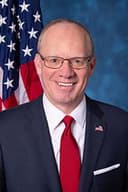
SPONSORSHIP
1 + 26
R· Tennessee
YRS IN OFFICE
7
BILLS LED
15
COSPONSOR BREAKDOWNBIPARTISAN · 7%
DEM 1 REP 25 IND 0
ACTION TIMELINE
6 EVENTSOCT 3
Reported (Amended) by the Committee on Natural Resources. H. Rept. 119-334.
OCT 3
Placed on the Union Calendar, Calendar No. 286.
JUL 15
Committee Consideration and Mark-up Session Held
JUL 15
Ordered to be Reported in the Nature of a Substitute by the Yeas and Nays: 22 - 18.
BILL INFO
TypeHouse Bill
NumberHR 2462
Congress119th
StatusReported
IntroducedMar 27, 2025
Last actionOct 3, 2025
READER REACTIONS
OVERALL SENTIMENT
No reactions yet. Be the first to weigh in.
Discussion
Loading comments...
REPORTED· 119TH CONGRESS · NATURAL RESOURCES COMMITTEE · INTRODUCED MAR 27, 2025
House BillHR 2462BirdsLivestock
Black Vulture Relief Act
INTRODUCED MAR 27, 2025· LAST ACTION OCT 3, 2025
PASSAGE CHANCES
—%
READING
4 min
COSPONSORS
26
COMPLEXITY
Moderate