Bills · HR 2393
IN COMMITTEE· 119TH CONGRESS
House BillHR 2393Foreign Trade and International Finance
Protect American Beef Act.
INTRO MAR 26· LAST ACTION MAR 26
READING
7MIN
COSPONSORS
0
READER REACTIONS0 TOTAL
NO VOTES YET · BE THE FIRST
- Introduced only
LEGISLATIVE PROGRESS
STEP 2 / 8Introduced
In Committee
Reported
Passed House
Passed Senate
Conference
To President
Became Law
WHAT THE BILL DOES
AI-writtenThis bill matters because it directly tackles issues of fair trade and domestic industry protection within the agricultural sector, specifically for a high-value product like Wagyu beef. If this bill passes, American Wagyu producers could experience a significant boost, potentially expanding their market share and improving their financial stability by reducing the advantage held by Australian imports. This could foster growth in a specialized segment of American agriculture.
Conversely, if the bill becomes law, American consumers might face higher costs for Wagyu beef and potentially fewer choices, as a major source of imported Wagyu becomes significantly more expensive. If the bill does not pass, the current trade situation, where Australian Wagyu holds a price advantage and the U.S. cannot reciprocate exports, would continue, potentially hindering the growth of the American Wagyu industry and maintaining the current competitive landscape.
KEY PROVISIONS
4AI-extractedPROVISION 01
Imposes a 70% duty (tariff) on all Wagyu meat, semen, and conventional embryos imported from Australia.
This directly increases the cost of Australian Wagyu products, aiming to level the playing field for American producers.
PROVISION 02
Authorizes the President to negotiate and enter into reciprocal trade agreements with Australia concerning Wagyu beef.
This provides a diplomatic path to address the trade imbalance and establish more equitable terms for both countries.
PROVISION 03
Grants the President authority to impose duties on Australian Wagyu if Australia's tariffs or non-tariff barriers unfairly impede U.S. Wagyu exports.
This allows the U.S. to take retaliatory action to ensure fair access for American Wagyu in the Australian market.
PROVISION 04
Maintains the existing restriction on Australian IVF embryos from being exported to the United States.
This prevents a potential new avenue of competition from Australian Wagyu genetics in the U.S. market.
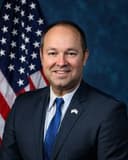
SPONSORSHIP
1 + 0
R· Indiana
YRS IN OFFICE
15
BILLS LED
15
ACTION TIMELINE
2 EVENTSMAR 26
Introduced in House
MAR 26
Referred to the House Committee on Ways and Means.
BILL INFO
TypeHouse Bill
NumberHR 2393
Congress119th
StatusIn Committee
IntroducedMar 26, 2025
Last actionMar 26, 2025
READER REACTIONS
OVERALL SENTIMENT
No reactions yet. Be the first to weigh in.
Discussion
Loading comments...
IN COMMITTEE· 119TH CONGRESS · WAYS AND MEANS COMMITTEE · INTRODUCED MAR 26, 2025
House BillHR 2393Foreign Trade and International Finance
Protect American Beef Act.
INTRODUCED MAR 26, 2025· LAST ACTION MAR 26, 2025
PASSAGE CHANCES
—%
READING
7 min
COSPONSORS
0
COMPLEXITY
Moderate