Bills · HR 2357
IN COMMITTEE· 119TH CONGRESS
House BillHR 2357Agriculture and Food
Food Secure Strikers Act of 2025
INTRO MAR 26· LAST ACTION APR 18
READING
2MIN
COSPONSORS
83
READER REACTIONS0 TOTAL
NO VOTES YET · BE THE FIRST
- Introduced only
LEGISLATIVE PROGRESS
STEP 2 / 8Introduced
In Committee
Reported
Passed House
Passed Senate
Conference
To President
Became Law
WHAT THE BILL DOES
AI-writtenThis bill matters because it directly impacts the financial security of working families during labor disputes. If it becomes law, it would provide a safety net for striking workers, ensuring they can put food on the table even when their wages are halted. This could reduce the immediate pressure on striking workers to return to work due to financial distress, potentially affecting the duration and outcomes of strikes.
If the bill does not become law, the current restrictions would remain, meaning striking workers would continue to be largely ineligible for federal food assistance. This means families of striking workers would continue to rely on other forms of support, such as union strike funds or community aid, which may not always be sufficient. It highlights a tension between supporting workers' rights to strike and concerns about taxpayer-funded assistance for those voluntarily withholding their labor.
KEY PROVISIONS
3AI-extractedPROVISION 01
Eliminates the explicit disqualification of striking workers and their households from receiving Supplemental Nutrition Assistance Program (SNAP) benefits.
This provision directly removes the current federal ban that prevents striking workers from accessing food assistance.
PROVISION 02
Ensures that participation in a labor strike does not, by itself, make a worker ineligible for SNAP benefits.
This changes the federal criteria, allowing striking workers to be considered for food assistance without their strike status being a barrier.
PROVISION 03
Allows striking workers to apply for and receive SNAP benefits under the same income and resource eligibility criteria as other non-striking, low-income individuals.
This ensures fair and equal access to food assistance for all low-income individuals, regardless of their involvement in a labor dispute.
SPONSORSHIP
1 + 83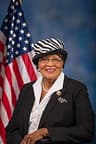
D· North Carolina
YRS IN OFFICE
11
BILLS LED
29
COSPONSOR BREAKDOWNBIPARTISAN · 0%
DEM 83 REP 0 IND 0
ACTION TIMELINE
3 EVENTSAPR 18
Referred to the Subcommittee on Nutrition and Foreign Agriculture.
MAR 26
Introduced in House
MAR 26
Referred to the House Committee on Agriculture.
BILL INFO
TypeHouse Bill
NumberHR 2357
Congress119th
StatusIn Committee
IntroducedMar 26, 2025
Last actionApr 18, 2025
READER REACTIONS
OVERALL SENTIMENT
No reactions yet. Be the first to weigh in.
Discussion
Loading comments...
IN COMMITTEE· 119TH CONGRESS · AGRICULTURE COMMITTEE · INTRODUCED MAR 26, 2025
House BillHR 2357Agriculture and Food
Food Secure Strikers Act of 2025
INTRODUCED MAR 26, 2025· LAST ACTION APR 18, 2025
PASSAGE CHANCES
—%
READING
2 min
COSPONSORS
83
COMPLEXITY
Moderate