Bills · HR 2342
IN COMMITTEE· 119TH CONGRESS
House BillHR 2342Emergency Management
State-Managed Disaster Relief Act
INTRO MAR 25· LAST ACTION MAR 25
READING
4MIN
COSPONSORS
1
READER REACTIONS0 TOTAL
NO VOTES YET · BE THE FIRST
- Introduced only
LEGISLATIVE PROGRESS
STEP 2 / 8Introduced
In Committee
Reported
Passed House
Passed Senate
Conference
To President
Became Law
WHAT THE BILL DOES
AI-writtenThis bill matters because it could significantly change how federal disaster aid is distributed and managed for less severe events. If passed, it aims to streamline recovery efforts by providing funds upfront, potentially cutting down on the bureaucratic delays often associated with the traditional federal reimbursement system. This could mean faster repairs to roads, public buildings, and other infrastructure, benefiting communities directly.
Voters should care because it represents a shift in control and responsibility, placing more power over disaster recovery funding decisions in the hands of state and tribal governments. While this could lead to more efficient, locally tailored responses, it also means states and tribes would assume the financial risk if actual recovery costs exceed the initial 80% lump sum estimate. If this bill doesn't become law, the current system of itemized federal reimbursements under the Public Assistance Program would continue for all disaster sizes, maintaining a higher level of federal oversight but potentially longer timelines.
KEY PROVISIONS
5AI-extractedPROVISION 01
Allows state governors or tribal governments to request a lump sum payment for "covered small disasters" as an alternative to the traditional Public Assistance Program.
Provides a new, potentially faster way for states and tribes to get federal disaster aid for less severe events.
PROVISION 02
The lump sum payment will be 80% of the total *estimated* cost of assistance, and once accepted, it's a final payment that generally cannot be adjusted based on actual costs.
Offers predictability for federal spending but places financial risk on states/tribes if actual costs exceed the estimate.
PROVISION 03
States or tribal governments must have an approved administrative plan to be eligible for the lump sum and must report annual expenses to FEMA.
Ensures accountability and proper management of federal funds at the state or tribal level.
PROVISION 04
Grants states and tribal governments flexibility to use the funds in any manner deemed appropriate for recovery, provided they address disaster needs, go to eligible entities, and comply with environmental, historic, and civil rights laws.
Increases state and tribal control over recovery efforts but makes them responsible for ensuring legal compliance.
PROVISION 05
Requires FEMA and the state or tribal government to reach an agreement on the lump sum amount within 90 days of the incident, or the process reverts to traditional Public Assistance procedures.
Establishes a strict timeline to ensure quick access to funds or a timely return to the standard federal system.
SPONSORSHIP
1 + 1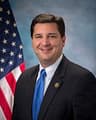
R· North Carolina
YRS IN OFFICE
11
BILLS LED
30
COSPONSOR BREAKDOWNBIPARTISAN · 0%
DEM 1 REP 0 IND 0
ACTION TIMELINE
3 EVENTSMAR 25
Introduced in House
MAR 25
Referred to the House Committee on Transportation and Infrastructure.
MAR 25
Referred to the Subcommittee on Economic Development, Public Buildings, and Emergency Management.
BILL INFO
TypeHouse Bill
NumberHR 2342
Congress119th
StatusIn Committee
IntroducedMar 25, 2025
Last actionMar 25, 2025
READER REACTIONS
OVERALL SENTIMENT
No reactions yet. Be the first to weigh in.
Discussion
Loading comments...
IN COMMITTEE· 119TH CONGRESS · TRANSPORTATION AND INFRASTRUCTURE COMMITTEE · INTRODUCED MAR 25, 2025
House BillHR 2342Emergency Management
State-Managed Disaster Relief Act
INTRODUCED MAR 25, 2025· LAST ACTION MAR 25, 2025
PASSAGE CHANCES
—%
READING
4 min
COSPONSORS
1
COMPLEXITY
Moderate