Bills · HR 2198
IN COMMITTEE· 119TH CONGRESS
House BillHR 2198Taxation
To amend the Internal Revenue Code of 1986 to restore the taxable REIT subsidiary asset test.
INTRO MAR 18· LAST ACTION MAR 18
READING
1MIN
COSPONSORS
20BIPARTISAN
READER REACTIONS0 TOTAL
NO VOTES YET · BE THE FIRST
- Introduced only
LEGISLATIVE PROGRESS
STEP 2 / 8Introduced
In Committee
Reported
Passed House
Passed Senate
Conference
To President
Became Law
WHAT THE BILL DOES
AI-writtenThis bill matters because it changes the operational flexibility for a significant segment of the real estate market. REITs are major players in commercial real estate, owning everything from shopping centers to data centers. By increasing the limit on assets they can hold in their taxable subsidiaries, the bill allows REITs to offer more integrated services directly to their tenants and properties, rather than outsourcing them. This could lead to more efficient operations for REITs and potentially new revenue streams.
If this bill becomes law, REITs would have more leeway to expand service-oriented parts of their business, which could impact competition in property management and other real estate services. If it doesn't pass, REITs will continue to operate under the current 20% limit, potentially limiting their ability to fully integrate and diversify their offerings through taxable subsidiaries.
KEY PROVISIONS
3AI-extractedPROVISION 01
Amends Section 856(c)(4)(B)(ii) of the Internal Revenue Code of 1986.
This is the specific legal change being made, targeting the rule for REIT assets in taxable subsidiaries.
PROVISION 02
Changes the asset limit for taxable REIT subsidiaries from 20 percent to 25 percent of a REIT's total assets.
This directly increases the amount of their business REITs can conduct through these specific subsidiaries, offering greater operational flexibility.
PROVISION 03
The amendment applies to taxable years beginning after December 31, 2025.
This sets the effective date for when the new asset limit will begin to apply to REITs.
SPONSORSHIP
1 + 20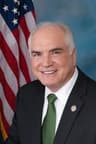
R· Pennsylvania
YRS IN OFFICE
15
BILLS LED
34
COSPONSOR BREAKDOWNBIPARTISAN · 60%
DEM 6 REP 14 IND 0
ACTION TIMELINE
2 EVENTSMAR 18
Introduced in House
MAR 18
Referred to the House Committee on Ways and Means.
BILL INFO
TypeHouse Bill
NumberHR 2198
Congress119th
StatusIn Committee
IntroducedMar 18, 2025
Last actionMar 18, 2025
READER REACTIONS
OVERALL SENTIMENT
No reactions yet. Be the first to weigh in.
Discussion
Loading comments...
IN COMMITTEE· 119TH CONGRESS · WAYS AND MEANS COMMITTEE · INTRODUCED MAR 18, 2025
House BillHR 2198Taxation
To amend the Internal Revenue Code of 1986 to restore the taxable REIT subsidiary asset test.
INTRODUCED MAR 18, 2025· LAST ACTION MAR 18, 2025
PASSAGE CHANCES
—%
READING
1 min
COSPONSORS
20
COMPLEXITY
Moderate