Bills · HR 2159
PASSED HOUSE· 119TH CONGRESS
House BillHR 2159Criminal justice information and recordsCongressional oversight
Count the Crimes to Cut Act
INTRO MAR 14· LAST ACTION APR 14
READING
4MIN
COSPONSORS
4BIPARTISAN
READER REACTIONS0 TOTAL
NO VOTES YET · BE THE FIRST
- One chamber only
LEGISLATIVE PROGRESS
STEP 4 / 8Introduced
In Committee
Reported
Passed House
Passed Senate
Conference
To President
Became Law
WHAT THE BILL DOES
AI-writtenVoters should care about this bill because it aims to shed light on the sheer volume and complexity of federal criminal laws, many of which are obscure or rarely enforced. Currently, it's very difficult for anyone, including legal experts, to know every single action that could lead to federal criminal charges, especially those hidden within regulatory codes.
If this bill becomes law, it would create a comprehensive, centralized, and publicly available resource detailing all federal crimes. This transparency could inform discussions about overcriminalization, reform efforts, or whether certain laws are outdated or unnecessary. If it doesn't pass, the current fragmented and often opaque system of identifying federal criminal offenses will persist, making it challenging for people to understand their legal obligations.
KEY PROVISIONS
5AI-extractedPROVISION 01
Requires the Attorney General to compile a report on all criminal statutory offenses, detailing their elements, potential penalties, prosecution history over 15 years, and mens rea requirements.
This provision creates a central inventory of crimes directly established by federal laws, providing clarity on their scope and enforcement.
PROVISION 02
Mandates that specific federal agencies report on all criminal regulatory offenses enforceable by their agency, including penalties, prosecution referrals over 15 years, and mens rea requirements.
This shines a light on criminal offenses derived from agency regulations, which are often less known and understood than statutory crimes.
PROVISION 03
Directs the Attorney General and each specified agency to establish and maintain a free, publicly accessible online index of all identified criminal offenses within two years.
This ensures long-term public transparency and ease of access to the comprehensive list of federal crimes.
PROVISION 04
The reports must include the number of prosecutions or referrals to the Department of Justice for each offense over the 15-year period preceding the bill's enactment.
This data provides insight into which criminal laws are actively enforced versus those that are rarely or never prosecuted.
PROVISION 05
Each report must specify the 'mens rea' (state of mind or intent) required for each criminal offense.
Clarifying the mens rea requirement is crucial for understanding what level of intent is needed for a criminal conviction, protecting individuals from accidental violations.
SPONSORSHIP
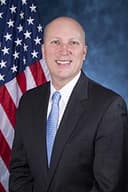
1 + 4
R· Texas
YRS IN OFFICE
7
BILLS LED
68
COSPONSOR BREAKDOWNBIPARTISAN · 100%
DEM 2 REP 2 IND 0
ACTION TIMELINE
26 EVENTSAPR 14
Committee on the Judiciary. Reported by Senator Grassley without amendment. Without written report.
APR 14
Placed on Senate Legislative Calendar under General Orders. Calendar No. 370.
MAR 26
Committee on the Judiciary. Ordered to be reported without amendment favorably.
MAR 26
Committee on the Judiciary. Ordered to be reported without amendment favorably.
BILL INFO
TypeHouse Bill
NumberHR 2159
Congress119th
StatusPassed House
IntroducedMar 14, 2025
Last actionApr 14, 2026
READER REACTIONS
OVERALL SENTIMENT
No reactions yet. Be the first to weigh in.
Discussion
Loading comments...
PASSED HOUSE· 119TH CONGRESS · JUDICIARY COMMITTEE · INTRODUCED MAR 14, 2025
House BillHR 2159Criminal justice information and recordsCongressional oversight
Count the Crimes to Cut Act
INTRODUCED MAR 14, 2025· LAST ACTION APR 14, 2026
PASSAGE CHANCES
—%
READING
4 min
COSPONSORS
4
COMPLEXITY
Moderate