Bills · HR 2150
IN COMMITTEE· 119TH CONGRESS
House BillHR 2150Crime and Law Enforcement
TRACE Act
INTRO MAR 14· LAST ACTION MAR 14
READING
3MIN
COSPONSORS
13BIPARTISAN
READER REACTIONS0 TOTAL
NO VOTES YET · BE THE FIRST
- Introduced only
LEGISLATIVE PROGRESS
STEP 2 / 8Introduced
In Committee
Reported
Passed House
Passed Senate
Conference
To President
Became Law
WHAT THE BILL DOES
AI-writtenVoters should care about this bill because it addresses a specific challenge in solving missing persons and unidentified remains cases, particularly those that occur on vast and often remote federal lands. Currently, tracking these cases can be fragmented across different jurisdictions, making it harder to connect the dots and allocate resources effectively. By requiring a dedicated data field and annual reporting, this bill aims to create a clearer picture of these incidents.
If this bill becomes law, it could lead to better data collection, improved coordination among various law enforcement agencies, and potentially a higher success rate in resolving cases linked to federal lands. If it doesn't pass, the current system might continue to lack specific, centralized data on these types of cases, potentially slowing down investigations and leaving families without answers.
KEY PROVISIONS
3AI-extractedPROVISION 01
The Attorney General must add a new data field to the National Missing and Unidentified Persons System (NamUs).
This new field will specifically indicate if a missing person's last known location or unidentified remains were found on federal land, including specific details.
PROVISION 02
The Attorney General must submit an annual report to Congress detailing the number of cases linked to federal land.
This report will provide lawmakers with a clear overview of the scale of these cases and which federal agencies are involved, helping identify areas for improvement.
PROVISION 03
The report must disaggregate (break down) cases by the specific federal land management agency with jurisdiction.
Breaking down the data helps pinpoint which federal agencies handle the most such cases, allowing for targeted resource allocation and policy adjustments.
SPONSORSHIP
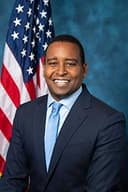
1 + 13
D· Colorado
YRS IN OFFICE
7
BILLS LED
91
COSPONSOR BREAKDOWNBIPARTISAN · 77%
DEM 5 REP 8 IND 0
ACTION TIMELINE
2 EVENTSMAR 14
Introduced in House
MAR 14
Referred to the House Committee on the Judiciary.
BILL INFO
TypeHouse Bill
NumberHR 2150
Congress119th
StatusIn Committee
IntroducedMar 14, 2025
Last actionMar 14, 2025
READER REACTIONS
OVERALL SENTIMENT
No reactions yet. Be the first to weigh in.
Discussion
Loading comments...
IN COMMITTEE· 119TH CONGRESS · JUDICIARY COMMITTEE · INTRODUCED MAR 14, 2025
House BillHR 2150Crime and Law Enforcement
TRACE Act
INTRODUCED MAR 14, 2025· LAST ACTION MAR 14, 2025
PASSAGE CHANCES
—%
READING
3 min
COSPONSORS
13
COMPLEXITY
Moderate