Bills · HR 2062
IN COMMITTEE· 119TH CONGRESS
House BillHR 2062Taxation
To amend the Internal Revenue Code of 1986 to treat membership in a health care sharing ministry as a medical expense, and for other purposes.
INTRO MAR 11· LAST ACTION MAR 11
READING
2MIN
COSPONSORS
9
READER REACTIONS0 TOTAL
NO VOTES YET · BE THE FIRST
- Introduced only
LEGISLATIVE PROGRESS
STEP 2 / 8Introduced
In Committee
Reported
Passed House
Passed Senate
Conference
To President
Became Law
WHAT THE BILL DOES
AI-writtenVoters should care about this bill because it provides a new tax benefit for a specific group of people who use an alternative to traditional health insurance. If this bill becomes law, members of health care sharing ministries could see a reduction in their taxable income, potentially saving them money on their taxes. This could make health care sharing ministries a more financially viable option for some.
Without this bill, payments to health care sharing ministries are not generally considered tax-deductible medical expenses. The bill also provides clarity within the tax code regarding the non-insurance status of these ministries, which could prevent future legal or regulatory ambiguity for both the ministries and their members concerning tax matters. It addresses the issue of tax parity for those who choose a faith-based alternative to health insurance.
KEY PROVISIONS
3AI-extractedPROVISION 01
Allows payments for health care sharing ministry memberships, including shared medical expenses and administrative fees, to be treated as medical expenses for tax deduction purposes.
This makes these payments tax-deductible, potentially lowering the tax burden for ministry members.
PROVISION 02
Explicitly states that for federal tax purposes, a health care sharing ministry is not considered a health plan or traditional insurance.
This clarifies the legal and tax status of these ministries, removing ambiguity about their nature under federal tax law.
PROVISION 03
The changes will apply to taxable years beginning after December 31, 2025.
This sets the timeframe for when the new tax deduction and definitional clarifications will go into effect.
SPONSORSHIP
1 + 9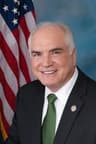
R· Pennsylvania
YRS IN OFFICE
15
BILLS LED
34
COSPONSOR BREAKDOWNBIPARTISAN · 0%
DEM 0 REP 9 IND 0
ACTION TIMELINE
2 EVENTSMAR 11
Introduced in House
MAR 11
Referred to the House Committee on Ways and Means.
BILL INFO
TypeHouse Bill
NumberHR 2062
Congress119th
StatusIn Committee
IntroducedMar 11, 2025
Last actionMar 11, 2025
READER REACTIONS
OVERALL SENTIMENT
No reactions yet. Be the first to weigh in.
Discussion
Loading comments...
IN COMMITTEE· 119TH CONGRESS · WAYS AND MEANS COMMITTEE · INTRODUCED MAR 11, 2025
House BillHR 2062Taxation
To amend the Internal Revenue Code of 1986 to treat membership in a health care sharing ministry as a medical expense, and for other purposes.
INTRODUCED MAR 11, 2025· LAST ACTION MAR 11, 2025
PASSAGE CHANCES
—%
READING
2 min
COSPONSORS
9
COMPLEXITY
Moderate