Bills · HR 2027
REPORTED· 119TH CONGRESS
House BillHR 2027Rural conditions and developmentCommuting
Returning SBA to Main Street Act of 2025
INTRO MAR 11· LAST ACTION MAY 21
READING
9MIN
COSPONSORS
0
READER REACTIONS0 TOTAL
NO VOTES YET · BE THE FIRST
- Reported, not passed
LEGISLATIVE PROGRESS
STEP 3 / 8Introduced
In Committee
Reported
Passed House
Passed Senate
Conference
To President
Became Law
WHAT THE BILL DOES
AI-writtenThis bill matters because it represents a push to decentralize federal agency operations, potentially making government services more accessible and responsive to the specific needs of diverse communities outside the nation's capital. By moving staff closer to small businesses in different regions, it could lead to more tailored support and a better understanding of local economic conditions.
Voters should care because it could shift federal resources and jobs to various states and rural areas, potentially boosting local economies and increasing the visibility of the SBA. If this bill becomes law, it could mean a more geographically diverse SBA workforce that is perceived as being 'on the ground' with the businesses it serves, potentially improving the agency's effectiveness. If it doesn't pass, the SBA's headquarters operations would remain largely centralized in the Washington D.C. area.
KEY PROVISIONS
5AI-extractedPROVISION 01
Requires the Administrator of the Small Business Administration (SBA) to relocate at least 30 percent of its headquarters employees outside the Washington metropolitan area.
This provision directly mandates a significant physical dispersal of a federal agency's central workforce, aiming to decentralize government operations.
PROVISION 02
The relocation must only occur if the SBA Administrator determines it will reduce federal government costs, with a detailed explanation provided to Congress.
This introduces a crucial cost-saving condition that dictates whether the relocation mandate will actually be implemented, tying the move to fiscal benefits.
PROVISION 03
Relocated employees will have their pay adjusted to their new locality's rates and will not be authorized to telework on a full-time basis.
This provision directly impacts the compensation and work flexibility of affected employees, potentially leading to lower salaries and a return to full-time in-office work.
PROVISION 04
The Administrator must promote geographic diversity, including rural markets, and ensure adequate staffing for in-person customer service.
This aims to broaden the physical presence of the SBA, potentially improving service delivery and responsiveness to small businesses in various regions, especially underserved ones.
PROVISION 05
Employees with disabilities who require full-time telework as an accommodation are exempt from relocation but still counted towards the 30% quota.
This protects the employment of individuals with disabilities while still contributing to the overall relocation target, ensuring compliance with disability laws.
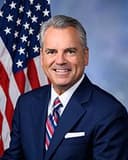
SPONSORSHIP
1 + 0
R· Missouri
YRS IN OFFICE
3
BILLS LED
28
ACTION TIMELINE
6 EVENTSMAY 21
Reported (Amended) by the Committee on Small Business. H. Rept. 119-109.
MAY 21
Placed on the Union Calendar, Calendar No. 80.
APR 30
Committee Consideration and Mark-up Session Held
APR 30
Ordered to be Reported (Amended) by the Yeas and Nays: 15 - 11.
BILL INFO
TypeHouse Bill
NumberHR 2027
Congress119th
StatusReported
IntroducedMar 11, 2025
Last actionMay 21, 2025
READER REACTIONS
OVERALL SENTIMENT
No reactions yet. Be the first to weigh in.
Discussion
Loading comments...
REPORTED· 119TH CONGRESS · SMALL BUSINESS COMMITTEE · INTRODUCED MAR 11, 2025
House BillHR 2027Rural conditions and developmentCommuting
Returning SBA to Main Street Act of 2025
INTRODUCED MAR 11, 2025· LAST ACTION MAY 21, 2025
PASSAGE CHANCES
—%
READING
9 min
COSPONSORS
0
COMPLEXITY
Moderate