Bills · HR 2011
IN COMMITTEE· 119TH CONGRESS
House BillHR 2011Transportation and Public Works
Sarah Debbink Langenkamp Active Transportation Safety Act
INTRO MAR 10· LAST ACTION MAR 10
READING
4MIN
COSPONSORS
17BIPARTISAN
READER REACTIONS0 TOTAL
NO VOTES YET · BE THE FIRST
- Introduced only
LEGISLATIVE PROGRESS
STEP 2 / 8Introduced
In Committee
Reported
Passed House
Passed Senate
Conference
To President
Became Law
WHAT THE BILL DOES
AI-writtenThis bill matters because it could lead to safer roads and better infrastructure for everyone who isn't driving a car. With more federal money available to cover the full cost of projects like new bike paths, connected sidewalks, or improved crosswalks, communities might see more of these essential safety improvements built sooner.
If this bill becomes law, we could expect a greater focus on protecting vulnerable road users, potentially reducing accidents and fatalities among pedestrians and cyclists. If it doesn't pass, states and localities would continue to face higher local funding requirements for these types of projects, possibly slowing down the development of active transportation infrastructure and potentially leaving hazardous gaps in pedestrian and cycling networks unaddressed for longer.
KEY PROVISIONS
5AI-extractedPROVISION 01
Expands eligible Highway Safety Improvement Program (HSIP) projects to include connecting segments of existing bicyclist or pedestrian infrastructure.
This makes it easier for states to get federal funding for projects that create continuous, safer routes for walkers and bikers.
PROVISION 02
Expands eligible HSIP projects to include projects or strategies that reduce safety risks for 'vulnerable road users,' such as pedestrians and bicyclists.
This broadens the scope of federally funded safety improvements to directly target the needs of people not in vehicles.
PROVISION 03
Allows the federal government to cover up to 100 percent of the cost for these new types of eligible HSIP projects.
This significantly lowers the financial burden on states and localities, making it much easier for them to implement these safety projects.
PROVISION 04
Permits federal HSIP funds to be used as the non-Federal share (local matching funds) for other transportation projects, provided certain safety conditions for vulnerable road users are met.
This provides states with greater financial flexibility, allowing them to leverage federal safety dollars to meet local funding requirements for a wider range of projects.
PROVISION 05
Increases the federal share for projects that include 'Proven Safety Countermeasures' specifically for bicyclists or pedestrians.
This incentivizes the adoption of effective, evidence-based solutions known to improve safety for walkers and bikers.
SPONSORSHIP
1 + 17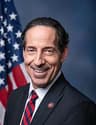
D· Maryland
YRS IN OFFICE
9
BILLS LED
37
COSPONSOR BREAKDOWNBIPARTISAN · 94%
DEM 8 REP 9 IND 0
ACTION TIMELINE
3 EVENTSMAR 10
Introduced in House
MAR 10
Referred to the House Committee on Transportation and Infrastructure.
MAR 10
Referred to the Subcommittee on Highways and Transit.
BILL INFO
TypeHouse Bill
NumberHR 2011
Congress119th
StatusIn Committee
IntroducedMar 10, 2025
Last actionMar 10, 2025
READER REACTIONS
OVERALL SENTIMENT
No reactions yet. Be the first to weigh in.
Discussion
Loading comments...
IN COMMITTEE· 119TH CONGRESS · TRANSPORTATION AND INFRASTRUCTURE COMMITTEE · INTRODUCED MAR 10, 2025
House BillHR 2011Transportation and Public Works
Sarah Debbink Langenkamp Active Transportation Safety Act
INTRODUCED MAR 10, 2025· LAST ACTION MAR 10, 2025
PASSAGE CHANCES
—%
READING
4 min
COSPONSORS
17
COMPLEXITY
Moderate