Bills · HR 1999
IN COMMITTEE· 119TH CONGRESS
House BillHR 1999Civil actions and liabilityGovernment studies and investigations
Disclose GIFT Act
INTRO MAR 10· LAST ACTION MAR 10
READING
15MIN
COSPONSORS
1
READER REACTIONS0 TOTAL
NO VOTES YET · BE THE FIRST
- Introduced only
LEGISLATIVE PROGRESS
STEP 2 / 8Introduced
In Committee
Reported
Passed House
Passed Senate
Conference
To President
Became Law
WHAT THE BILL DOES
AI-writtenThis bill matters because there are growing concerns about foreign governments and entities trying to influence American academic institutions, potentially to gain access to valuable research, technology, or intellectual property, or to sway academic discourse. Currently, there are gaps in how these foreign interactions are tracked and disclosed, especially at the individual faculty and staff level.
If this bill becomes law, it would create more transparency by requiring public reporting of many foreign gifts and contracts. This could help safeguard national security interests and ensure academic integrity by making potential conflicts of interest more visible. If it doesn't pass, the existing reporting gaps would likely continue, making it harder to monitor and address potential undue foreign influence within U.S. higher education.
KEY PROVISIONS
4AI-extractedPROVISION 01
Requires specific higher education institutions to create a policy for faculty and staff to report gifts and contracts from foreign sources.
This ensures consistent tracking and disclosure of foreign financial ties across covered institutions and their employees.
PROVISION 02
Mandates the creation of a publicly available, searchable online database by institutions, containing details of reported foreign gifts and contracts (excluding personal identifying information).
This provision significantly increases transparency and public oversight of foreign influence in academia, allowing for broader scrutiny.
PROVISION 03
Requires institutions to develop an effective plan to identify and manage potential espionage risks from foreign sources targeting covered individuals.
This aims to protect national security and intellectual property within academic research environments.
PROVISION 04
Sets specific thresholds and reporting requirements, including full contract text, for gifts and contracts from 'foreign countries of concern' or 'foreign entities of concern' regardless of value.
This provision targets interactions with entities considered higher risk, providing more detailed scrutiny where it's most needed.
SPONSORSHIP
1 + 1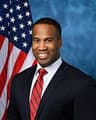
R· Michigan
YRS IN OFFICE
3
BILLS LED
26
COSPONSOR BREAKDOWNBIPARTISAN · 0%
DEM 0 REP 1 IND 0
ACTION TIMELINE
2 EVENTSMAR 10
Introduced in House
MAR 10
Referred to the House Committee on Education and Workforce.
BILL INFO
TypeHouse Bill
NumberHR 1999
Congress119th
StatusIn Committee
IntroducedMar 10, 2025
Last actionMar 10, 2025
READER REACTIONS
OVERALL SENTIMENT
No reactions yet. Be the first to weigh in.
Discussion
Loading comments...
IN COMMITTEE· 119TH CONGRESS · EDUCATION AND WORKFORCE COMMITTEE · INTRODUCED MAR 10, 2025
House BillHR 1999Civil actions and liabilityGovernment studies and investigations
Disclose GIFT Act
INTRODUCED MAR 10, 2025· LAST ACTION MAR 10, 2025
PASSAGE CHANCES
—%
READING
15 min
COSPONSORS
1
COMPLEXITY
Moderate