Bills · HR 1950
IN COMMITTEE· 119TH CONGRESS
House BillHR 1950Social Welfare
Protect Social Security and Medicare Act
INTRO MAR 6· LAST ACTION MAR 6
READING
2MIN
COSPONSORS
8
READER REACTIONS0 TOTAL
NO VOTES YET · BE THE FIRST
- Introduced only
LEGISLATIVE PROGRESS
STEP 2 / 8Introduced
In Committee
Reported
Passed House
Passed Senate
Conference
To President
Became Law
WHAT THE BILL DOES
AI-writtenThis bill matters because it would fundamentally alter the legislative process for two of the most critical government programs: Social Security and Medicare. By requiring a supermajority vote (two-thirds) to even consider bills that would reduce existing benefits, it makes it significantly harder for Congress to cut these benefits. This could be seen as a way to "protect" these benefits from future reductions, providing greater security for current and future retirees and those with disabilities.
If this bill becomes law, it means that any future efforts to reduce Social Security or Medicare benefits—perhaps to address the programs' long-term financial challenges—would require broad bipartisan agreement, rather than a simple majority vote. If it doesn't become law, a simple majority would remain sufficient for considering and passing such changes. This distinction is crucial for voters who depend on these programs and for those concerned about government spending and the long-term solvency of these trust funds.
KEY PROVISIONS
3AI-extractedPROVISION 01
Requires two-thirds of lawmakers present and voting in the House and Senate to agree to *consider* any bill or amendment that would reduce existing Social Security or Medicare benefits.
This makes it significantly harder for Congress to pass any legislation that would cut benefits for these critical programs.
PROVISION 02
Creates an exception where the two-thirds vote requirement does not apply to reductions in payments to Medicare Advantage plans, provided the savings are redirected to other parts of Medicare.
This specific carve-out allows changes to private Medicare plans without triggering the higher vote threshold, as long as it benefits other parts of Medicare.
PROVISION 03
The Office of the Chief Actuary of the Social Security Administration is given the sole authority to determine if a provision would result in a benefit reduction.
This places the power to define what counts as a "cut" in the hands of an independent technical office, rather than politicians.
SPONSORSHIP
1 + 8
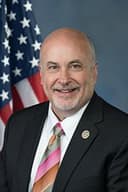
D· Wisconsin
YRS IN OFFICE
13
BILLS LED
24
COSPONSOR BREAKDOWNBIPARTISAN · 0%
DEM 8 REP 0 IND 0
ACTION TIMELINE
2 EVENTSMAR 6
Introduced in House
MAR 6
Referred to the House Committee on Rules.
BILL INFO
TypeHouse Bill
NumberHR 1950
Congress119th
StatusIn Committee
IntroducedMar 6, 2025
Last actionMar 6, 2025
READER REACTIONS
OVERALL SENTIMENT
No reactions yet. Be the first to weigh in.
Discussion
Loading comments...
IN COMMITTEE· 119TH CONGRESS · RULES COMMITTEE · INTRODUCED MAR 6, 2025
House BillHR 1950Social Welfare
Protect Social Security and Medicare Act
INTRODUCED MAR 6, 2025· LAST ACTION MAR 6, 2025
PASSAGE CHANCES
—%
READING
2 min
COSPONSORS
8
COMPLEXITY
Moderate