Bills · HR 1943
IN COMMITTEE· 119TH CONGRESS
House BillHR 1943Government Operations and Politics
Wildland Firefighter Paycheck Protection Act of 2025
INTRO MAR 6· LAST ACTION MAR 28
READING
16MIN
COSPONSORS
15BIPARTISAN
READER REACTIONS0 TOTAL
NO VOTES YET · BE THE FIRST
- Introduced only
LEGISLATIVE PROGRESS
STEP 2 / 8Introduced
In Committee
Reported
Passed House
Passed Senate
Conference
To President
Became Law
WHAT THE BILL DOES
AI-writtenVoters should care about this bill because it aims to provide stable, competitive pay for the federal wildland firefighters who risk their lives to protect communities and natural landscapes from devastating fires. These firefighters often work long hours in dangerous conditions, and their current compensation has been a significant concern, with many leaving for better-paying jobs. Without this bill, federal wildland firefighters would revert to their previous, lower pay rates once temporary increases expire, potentially worsening recruitment and retention issues.
If this bill becomes law, it could help ensure a more experienced and dedicated workforce, leading to better preparedness and response during fire seasons, which are becoming more severe and frequent due to climate change. This improved compensation could make it more attractive to join and stay in the federal wildland firefighting service, directly impacting the safety and security of communities across the country, especially those in fire-prone regions. If it doesn't pass, the federal government may continue to struggle to keep its most experienced firefighters, potentially compromising the nation's ability to combat wildland fires effectively.
KEY PROVISIONS
4AI-extractedPROVISION 01
Establishes special base rates of pay for federal wildland firefighters on the General Schedule (GS) system.
This provision creates a permanent increase in base salaries for a large portion of federal wildland firefighters, moving beyond temporary pay adjustments.
PROVISION 02
Calculates these new special base rates by increasing existing GS base rates by percentages ranging from 42% for GS-1 to 1.5% for GS-15.
It specifies the exact method and scale of the pay increases, providing clarity on how much more firefighters will earn.
PROVISION 03
Requires the Secretaries of Agriculture and Interior to increase wages for 'prevailing rate' wildland firefighters in line with the GS increases.
This ensures that all federal wildland firefighters, regardless of their pay system, receive comparable pay raises, preventing inequities.
PROVISION 04
Sets the effective date for the new pay rates to begin after current temporary federal wildland firefighter salary increases expire.
This guarantees a seamless transition from temporary pay boosts to permanent higher salaries without a gap in improved compensation.
SPONSORSHIP
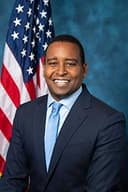
1 + 15
D· Colorado
YRS IN OFFICE
7
BILLS LED
91
COSPONSOR BREAKDOWNBIPARTISAN · 93%
DEM 7 REP 8 IND 0
ACTION TIMELINE
3 EVENTSMAR 28
Referred to the Subcommittee on Forestry and Horticulture.
MAR 6
Introduced in House
MAR 6
Referred to the Committee on Oversight and Government Reform, and in addition to the Committees on Natural Resources, and Agriculture, for a period to be subsequently determined by the Speaker, in each case for consideration of such provisions as fall within the jurisdiction of the committee concerned.
BILL INFO
TypeHouse Bill
NumberHR 1943
Congress119th
StatusIn Committee
IntroducedMar 6, 2025
Last actionMar 28, 2025
READER REACTIONS
OVERALL SENTIMENT
No reactions yet. Be the first to weigh in.
Discussion
Loading comments...
IN COMMITTEE· 119TH CONGRESS · OVERSIGHT AND GOVERNMENT REFORM COMMITTEE · INTRODUCED MAR 6, 2025
House BillHR 1943Government Operations and Politics
Wildland Firefighter Paycheck Protection Act of 2025
INTRODUCED MAR 6, 2025· LAST ACTION MAR 28, 2025
PASSAGE CHANCES
—%
READING
16 min
COSPONSORS
15
COMPLEXITY
Moderate