Bills · HR 1754
IN COMMITTEE· 119TH CONGRESS
House BillHR 1754Taxation
FARM Act of 2025
INTRO FEB 27· LAST ACTION FEB 27
READING
2MIN
COSPONSORS
6
READER REACTIONS0 TOTAL
NO VOTES YET · BE THE FIRST
- Introduced only
LEGISLATIVE PROGRESS
STEP 2 / 8Introduced
In Committee
Reported
Passed House
Passed Senate
Conference
To President
Became Law
WHAT THE BILL DOES
AI-writtenThis bill matters because it highlights a conflict between two important goals: increasing renewable energy production and preserving agricultural land for food production. If this bill becomes law, it could slow down the expansion of solar and wind energy projects in some rural areas, particularly if suitable non-agricultural land is scarce or more expensive. It could also influence land use patterns, potentially prioritizing food production over energy development on certain lands.
For voters, this means weighing the importance of local food supply and rural landscapes against the push for more clean energy sources and the economic opportunities they can bring to landowners. If it doesn't pass, the current tax credits would continue to apply, potentially encouraging more renewable energy development on agricultural land.
KEY PROVISIONS
4AI-extractedPROVISION 01
Denies federal tax credits for certain solar energy equipment built by public utilities on agricultural land.
This makes it more expensive for public utility companies to build solar farms on land designated for farming, potentially discouraging such development.
PROVISION 02
Denies federal tax credits for electricity produced by wind facilities built by public utilities on agricultural land.
This similarly makes it more expensive for public utility companies to build wind farms on agricultural land, aiming to protect farmland.
PROVISION 03
Defines 'agricultural land' by referencing existing federal law (Food Security Act of 1985).
This ensures a consistent legal definition for the type of land that is covered by the credit denial.
PROVISION 04
States that these changes will apply to energy projects put into service after the bill becomes law.
This sets the timeframe for when the new rules would take effect, impacting future projects.
SPONSORSHIP
1 + 6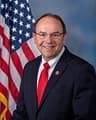
R· Wisconsin
YRS IN OFFICE
6
BILLS LED
17
COSPONSOR BREAKDOWNBIPARTISAN · 0%
DEM 0 REP 6 IND 0
ACTION TIMELINE
2 EVENTSFEB 27
Introduced in House
FEB 27
Referred to the House Committee on Ways and Means.
BILL INFO
TypeHouse Bill
NumberHR 1754
Congress119th
StatusIn Committee
IntroducedFeb 27, 2025
Last actionFeb 27, 2025
READER REACTIONS
OVERALL SENTIMENT
No reactions yet. Be the first to weigh in.
Discussion
Loading comments...
IN COMMITTEE· 119TH CONGRESS · WAYS AND MEANS COMMITTEE · INTRODUCED FEB 27, 2025
House BillHR 1754Taxation
FARM Act of 2025
INTRODUCED FEB 27, 2025· LAST ACTION FEB 27, 2025
PASSAGE CHANCES
—%
READING
2 min
COSPONSORS
6
COMPLEXITY
Moderate