Bills · HR 1625
IN COMMITTEE· 119TH CONGRESS
House BillHR 1625Caribbean areaTariffs
Haiti Economic Lift Program Extension Act of 2025
INTRO FEB 26· LAST ACTION FEB 26
READING
3MIN
COSPONSORS
17BIPARTISAN
READER REACTIONS0 TOTAL
NO VOTES YET · BE THE FIRST
- Introduced only
LEGISLATIVE PROGRESS
STEP 2 / 8Introduced
In Committee
Reported
Passed House
Passed Senate
Conference
To President
Became Law
WHAT THE BILL DOES
AI-writtenThis bill matters because it provides crucial economic support to Haiti, a nation that has faced significant challenges including political instability, natural disasters, and poverty. By extending duty-free access for Haitian products, especially apparel, the U.S. helps sustain jobs and economic activity in Haiti, promoting stability and growth.
If this bill becomes law, Haitian businesses will have certainty for another decade, allowing them to plan, invest, and create more jobs, which is vital for the country's recovery and development. If it doesn't pass, these special trade preferences would expire in 2025, potentially leading to increased costs for Haitian exports, reduced competitiveness in the U.S. market, and a severe blow to Haiti's already fragile economy. This could result in job losses and further economic hardship for the Haitian people, directly impacting their livelihoods.
KEY PROVISIONS
4AI-extractedPROVISION 01
Extends duty-free treatment for imports from Haiti until September 30, 2035, under the Caribbean Basin Economic Recovery Act.
This provides a decade of continued trade benefits, offering long-term stability and predictability for Haitian businesses and the U.S. market.
PROVISION 02
Maintains the requirement that certain apparel imports must have at least 60% of their value from Haiti or the U.S. to qualify for duty-free status.
This ensures that the benefits of the program are primarily directed towards goods with substantial Haitian or U.S. input, supporting local production.
PROVISION 03
Continues the quantitative limitation, allowing duty-free apparel imports from Haiti up to 1.25% of all U.S. apparel imports.
This provision balances support for Haiti's economy with concerns about potential impacts on domestic apparel industries.
PROVISION 04
Directs the President to restore duty-free eligibility for specific Haitian articles that lost their preferential status between December 2006 and the bill's enactment due to tariff schedule changes.
This corrects past changes that negatively impacted certain Haitian exports, bringing them back into the duty-free program.
SPONSORSHIP
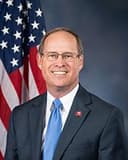
1 + 17
R· North Carolina
YRS IN OFFICE
7
BILLS LED
40
COSPONSOR BREAKDOWNBIPARTISAN · 82%
DEM 7 REP 10 IND 0
ACTION TIMELINE
2 EVENTSFEB 26
Introduced in House
FEB 26
Referred to the House Committee on Ways and Means.
BILL INFO
TypeHouse Bill
NumberHR 1625
Congress119th
StatusIn Committee
IntroducedFeb 26, 2025
Last actionFeb 26, 2025
READER REACTIONS
OVERALL SENTIMENT
No reactions yet. Be the first to weigh in.
Discussion
Loading comments...
IN COMMITTEE· 119TH CONGRESS · WAYS AND MEANS COMMITTEE · INTRODUCED FEB 26, 2025
House BillHR 1625Caribbean areaTariffs
Haiti Economic Lift Program Extension Act of 2025
INTRODUCED FEB 26, 2025· LAST ACTION FEB 26, 2025
PASSAGE CHANCES
—%
READING
3 min
COSPONSORS
17
COMPLEXITY
Moderate