Bills · HR 1591
IN COMMITTEE· 119TH CONGRESS
House BillHR 1591Executive Office of the PresidentPresidents and presidential powers, Vice Presidents
Security Clearance Review Act
INTRO FEB 26· LAST ACTION FEB 26
READING
3MIN
COSPONSORS
22
READER REACTIONS0 TOTAL
NO VOTES YET · BE THE FIRST
- Introduced only
LEGISLATIVE PROGRESS
STEP 2 / 8Introduced
In Committee
Reported
Passed House
Passed Senate
Conference
To President
Became Law
WHAT THE BILL DOES
AI-writtenThis bill matters because it changes who has the final say over who gets to see the nation's most sensitive secrets, particularly for those working closest to the President. Currently, the process for granting security clearances, especially for White House staff, can sometimes be controversial, with concerns about political influence or inconsistent standards. If this bill becomes law, it would shift that authority to the FBI Director, a position typically seen as more independent and non-political than politically appointed White House officials.
Voters should care because it addresses national security by aiming to ensure that individuals with access to classified information meet rigorous security standards, reducing the potential for leaks or improper access. It also impacts the balance of power between the executive branch and Congress by introducing a new check on presidential authority regarding security clearances. If it doesn't become law, the existing security clearance processes, which can vary and sometimes involve the White House directly overseeing its own clearance decisions, would remain in place.
KEY PROVISIONS
4AI-extractedPROVISION 01
Authorizes the Director of the FBI to make security clearance and access determinations for political appointees and special Government employees in the Executive Office of the President.
This centralizes a critical national security function for key White House staff under an independent law enforcement agency.
PROVISION 02
Prevents political appointees and special Government employees from being employed in or assigned to the Executive Office of the President or accessing classified information without an FBI-granted security clearance.
This ensures that these individuals meet strict security standards before gaining access to sensitive government information.
PROVISION 03
Requires the FBI Director to notify the President and Congress if a security clearance or access to classified information is denied, suspended, or revoked.
This increases transparency and provides an oversight mechanism for crucial security decisions.
PROVISION 04
Requires the President to submit a written explanation to Congress within 30 days if they overrule an FBI Director's denial, suspension, or revocation of a security clearance.
This provides a check on presidential authority and ensures accountability if security determinations are overridden.
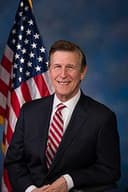
SPONSORSHIP
1 + 22
D· Virginia
YRS IN OFFICE
11
BILLS LED
63
COSPONSOR BREAKDOWNBIPARTISAN · 0%
DEM 22 REP 0 IND 0
ACTION TIMELINE
2 EVENTSFEB 26
Introduced in House
FEB 26
Referred to the Committee on Oversight and Government Reform, and in addition to the Committee on the Judiciary, for a period to be subsequently determined by the Speaker, in each case for consideration of such provisions as fall within the jurisdiction of the committee concerned.
BILL INFO
TypeHouse Bill
NumberHR 1591
Congress119th
StatusIn Committee
IntroducedFeb 26, 2025
Last actionFeb 26, 2025
READER REACTIONS
OVERALL SENTIMENT
No reactions yet. Be the first to weigh in.
Discussion
Loading comments...
IN COMMITTEE· 119TH CONGRESS · OVERSIGHT AND GOVERNMENT REFORM COMMITTEE · INTRODUCED FEB 26, 2025
House BillHR 1591Executive Office of the PresidentPresidents and presidential powers, Vice Presidents
Security Clearance Review Act
INTRODUCED FEB 26, 2025· LAST ACTION FEB 26, 2025
PASSAGE CHANCES
—%
READING
3 min
COSPONSORS
22
COMPLEXITY
Moderate