Bills · HR 1586
IN COMMITTEE· 119TH CONGRESS
House BillHR 1586Commerce
WOSB Certification Expansion and Opportunity Act
INTRO FEB 25· LAST ACTION FEB 25
READING
4MIN
COSPONSORS
1
READER REACTIONS0 TOTAL
NO VOTES YET · BE THE FIRST
- Introduced only
LEGISLATIVE PROGRESS
STEP 2 / 8Introduced
In Committee
Reported
Passed House
Passed Senate
Conference
To President
Became Law
WHAT THE BILL DOES
AI-writtenThis bill matters because it changes the rules for how the government ensures a certain percentage of its contracts go to women-owned businesses. If it becomes law, it means that simply declaring your business as women-owned won't be enough for it to be counted towards these federal goals. Businesses will need a formal stamp of approval.
For women-owned small businesses, this could mean an extra step and potentially more time and cost to get certified, but it could also bring more clarity and integrity to the certification process. For the government, it aims to ensure that the businesses counted towards diversity goals are rigorously vetted, potentially making the contracting process more transparent and fair. If this doesn't become law, the current system of including self-certified businesses in goal calculations would continue.
KEY PROVISIONS
4AI-extractedPROVISION 01
Only officially certified women-owned small businesses (WOSBs) will count towards federal contracting goals.
This means self-certified WOSBs will no longer be included in goal calculations, changing how federal agencies track their progress.
PROVISION 02
WOSBs that are self-certified when the law takes effect and apply for official certification will be temporarily counted until a decision is made on their application.
This provides a grace period for existing self-certified businesses during the transition to the new certification requirement.
PROVISION 03
The Small Business Administration (SBA) must issue new regulations to implement these changes within one year.
This sets a timeline for the SBA to establish the specific rules and processes for the new certification requirements.
PROVISION 04
The SBA Administrator is required to provide quarterly briefings to Congress on the implementation of these changes.
This ensures ongoing oversight and transparency regarding the progress and challenges of implementing the new certification system.
SPONSORSHIP
1 + 1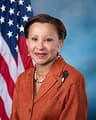
D· New York
YRS IN OFFICE
33
BILLS LED
45
COSPONSOR BREAKDOWNBIPARTISAN · 0%
DEM 0 REP 1 IND 0
ACTION TIMELINE
2 EVENTSFEB 25
Introduced in House
FEB 25
Referred to the House Committee on Small Business.
BILL INFO
TypeHouse Bill
NumberHR 1586
Congress119th
StatusIn Committee
IntroducedFeb 25, 2025
Last actionFeb 25, 2025
READER REACTIONS
OVERALL SENTIMENT
No reactions yet. Be the first to weigh in.
Discussion
Loading comments...
IN COMMITTEE· 119TH CONGRESS · SMALL BUSINESS COMMITTEE · INTRODUCED FEB 25, 2025
House BillHR 1586Commerce
WOSB Certification Expansion and Opportunity Act
INTRODUCED FEB 25, 2025· LAST ACTION FEB 25, 2025
PASSAGE CHANCES
—%
READING
4 min
COSPONSORS
1
COMPLEXITY
Moderate