Bills · HR 1533
IN COMMITTEE· 119TH CONGRESS
House BillHR 1533Fraud offenses and financial crimesState and local government operations
PIIA Reform Act
INTRO FEB 24· LAST ACTION FEB 24
READING
9MIN
COSPONSORS
0
READER REACTIONS0 TOTAL
NO VOTES YET · BE THE FIRST
- Introduced only
LEGISLATIVE PROGRESS
STEP 2 / 8Introduced
In Committee
Reported
Passed House
Passed Senate
Conference
To President
Became Law
WHAT THE BILL DOES
AI-writtenThis bill matters because improper payments—money paid out by the government incorrectly, either too much, to the wrong person, or for the wrong reason—cost taxpayers billions of dollars every year. By creating a dedicated role, the Overpayment Czar, and introducing real financial penalties for agencies that don't fix their payment problems, this bill aims to make a significant dent in that waste.
If this bill becomes law, government agencies will face increased pressure and accountability to manage their finances more carefully. If it doesn't pass, the current system for identifying and correcting improper payments, which many argue is insufficient, will remain, potentially allowing billions in taxpayer money to continue being misspent annually. This directly impacts how efficiently the government operates and public trust in federal spending.
KEY PROVISIONS
5AI-extractedPROVISION 01
Establishes an "Overpayment Czar" (Director of Improper Payment Mitigation) within the Office of Federal Financial Management.
This creates a dedicated high-level official solely focused on identifying, preventing, and mitigating improper payments and fraud across federal programs.
PROVISION 02
Expands the scope of programs identified as susceptible to significant improper payments to include new federal programs with substantial initial outlays.
This allows for earlier identification and intervention in potentially high-risk new programs, preventing improper payments from becoming entrenched.
PROVISION 03
Introduces a mechanism for noncompliance, where executive agencies that consistently fail to address improper payments face mandatory budget reductions.
This provision creates a strong financial incentive for agencies to prioritize and actively work towards reducing improper payments, adding a direct consequence for failure.
PROVISION 04
Requires executive agencies to include a plan to decrease improper payments in their financial management plan requirements.
This ensures that agencies integrate improper payment reduction into their core financial planning and reporting processes, increasing accountability.
PROVISION 05
Mandates annual reports from agencies to Congress detailing progress in implementing financial controls and fraud risk principles.
This provision increases transparency and allows Congress to monitor agency performance in combating improper payments and fraud over time.
SPONSORSHIP
1 + 0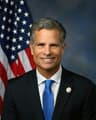
R· Pennsylvania
YRS IN OFFICE
7
BILLS LED
20
ACTION TIMELINE
2 EVENTSFEB 24
Introduced in House
FEB 24
Referred to the Committee on Oversight and Government Reform, and in addition to the Committee on Ways and Means, for a period to be subsequently determined by the Speaker, in each case for consideration of such provisions as fall within the jurisdiction of the committee concerned.
BILL INFO
TypeHouse Bill
NumberHR 1533
Congress119th
StatusIn Committee
IntroducedFeb 24, 2025
Last actionFeb 24, 2025
READER REACTIONS
OVERALL SENTIMENT
No reactions yet. Be the first to weigh in.
Discussion
Loading comments...
IN COMMITTEE· 119TH CONGRESS · OVERSIGHT AND GOVERNMENT REFORM COMMITTEE · INTRODUCED FEB 24, 2025
House BillHR 1533Fraud offenses and financial crimesState and local government operations
PIIA Reform Act
INTRODUCED FEB 24, 2025· LAST ACTION FEB 24, 2025
PASSAGE CHANCES
—%
READING
9 min
COSPONSORS
0
COMPLEXITY
Moderate