Bills · HR 1498
IN COMMITTEE· 119TH CONGRESS
House BillHR 1498International Affairs
DEFUND Act of 2025
INTRO FEB 21· LAST ACTION FEB 21
READING
5MIN
COSPONSORS
17
READER REACTIONS0 TOTAL
NO VOTES YET · BE THE FIRST
- Introduced only
LEGISLATIVE PROGRESS
STEP 2 / 8Introduced
In Committee
Reported
Passed House
Passed Senate
Conference
To President
Became Law
WHAT THE BILL DOES
AI-writtenThis bill matters because it represents a fundamental shift in U.S. foreign policy and its role on the global stage. If it becomes law, the United States would no longer be part of the primary international organization designed for global cooperation, potentially isolating the U.S. from multilateral efforts on issues like climate change, pandemics, and humanitarian crises.
Voters should care because pulling out of the UN would change how the U.S. addresses international challenges, affects its diplomatic influence, and impacts the effectiveness of global initiatives. Without the U.S. in the UN, global problems might become harder to solve, and the U.S. would lose a platform for promoting its interests and values alongside other nations. It could also lead to changes in trade, security alliances, and humanitarian aid distribution, altering the landscape of international relations that has been in place for decades.
KEY PROVISIONS
5AI-extractedPROVISION 01
The United States would terminate its membership in the United Nations and all its associated bodies, including repealing the laws that allowed the U.S. to join and host the UN headquarters.
This provision completely severs the official ties between the U.S. and the UN, ending a foundational aspect of U.S. foreign policy established after World War II.
PROVISION 02
All U.S. financial contributions to the United Nations, including both required and voluntary payments, would be stopped.
This would remove a major source of funding for the UN, potentially impacting its operations and programs worldwide.
PROVISION 03
The U.S. would withdraw from the UN Headquarters Agreement and end diplomatic immunity for UN officers and employees, as well as foreign representatives to the UN, in the United States.
This changes the legal status of thousands of international personnel in the U.S. and could impact the UN's ability to operate its headquarters in New York.
PROVISION 04
The United States would be prohibited from participating in any UN peacekeeping operations.
This would end U.S. involvement in UN-mandated efforts to maintain peace and stability in conflict zones around the world.
PROVISION 05
Future U.S. reentry into the United Nations or its associated bodies would require approval from the Senate and must include a provision allowing the U.S. to withdraw again.
This provision creates a high bar for any future administration to rejoin the UN, ensuring that such a decision would require significant legislative consensus and a built-in exit strategy.
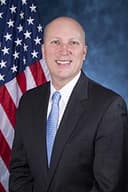
SPONSORSHIP
1 + 17
R· Texas
YRS IN OFFICE
7
BILLS LED
68
COSPONSOR BREAKDOWNBIPARTISAN · 0%
DEM 0 REP 17 IND 0
ACTION TIMELINE
2 EVENTSFEB 21
Introduced in House
FEB 21
Referred to the House Committee on Foreign Affairs.
BILL INFO
TypeHouse Bill
NumberHR 1498
Congress119th
StatusIn Committee
IntroducedFeb 21, 2025
Last actionFeb 21, 2025
READER REACTIONS
OVERALL SENTIMENT
No reactions yet. Be the first to weigh in.
Discussion
Loading comments...
IN COMMITTEE· 119TH CONGRESS · FOREIGN AFFAIRS COMMITTEE · INTRODUCED FEB 21, 2025
House BillHR 1498International Affairs
DEFUND Act of 2025
INTRODUCED FEB 21, 2025· LAST ACTION FEB 21, 2025
PASSAGE CHANCES
—%
READING
5 min
COSPONSORS
17
COMPLEXITY
Moderate