Bills · HR 1485
IN COMMITTEE· 119TH CONGRESS
House BillHR 1485Immigration
Alien Removal Not Resort Stays Act
INTRO FEB 21· LAST ACTION FEB 21
READING
1MIN
COSPONSORS
4
READER REACTIONS0 TOTAL
NO VOTES YET · BE THE FIRST
- Introduced only
LEGISLATIVE PROGRESS
STEP 2 / 8Introduced
In Committee
Reported
Passed House
Passed Senate
Conference
To President
Became Law
WHAT THE BILL DOES
AI-writtenThis bill matters because it represents a significant shift in how the U.S. government approaches migrant arrivals at the border. If it becomes law, it would end a program designed to provide humanitarian assistance to individuals, including families and children, who have been processed by border officials but are awaiting their immigration proceedings.
Ending this program would mean a reduction in federal resources for sheltering and supporting migrants, potentially leading to more individuals being unsheltered or placing a greater burden on local communities and non-governmental organizations. Simultaneously, by redirecting unspent funds to ICE for enforcement, detention, and removal operations, the bill would prioritize punitive measures over humanitarian aid. This change reflects differing views on border management and how resources should be allocated to address irregular migration.
KEY PROVISIONS
3AI-extractedPROVISION 01
Terminates the Shelter and Services Program of the Federal Emergency Management Agency (FEMA).
This provision ends a key federal program that provides humanitarian aid to migrants and asylum seekers after they are processed.
PROVISION 02
Prohibits any future federal funds from being authorized for the Shelter and Services Program or similar programs.
This ensures the program cannot be re-funded or replaced with a similar initiative using federal money in the future.
PROVISION 03
Transfers all unspent funds from the Shelter and Services Program to U.S. Immigration and Customs Enforcement (ICE).
This reallocates resources from migrant support services to immigration enforcement, detention, and removal operations.
SPONSORSHIP
1 + 4
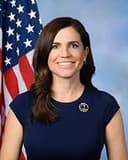
R· South Carolina
YRS IN OFFICE
5
BILLS LED
103
COSPONSOR BREAKDOWNBIPARTISAN · 0%
DEM 0 REP 4 IND 0
ACTION TIMELINE
2 EVENTSFEB 21
Introduced in House
FEB 21
Referred to the Committee on Financial Services, and in addition to the Committee on Appropriations, for a period to be subsequently determined by the Speaker, in each case for consideration of such provisions as fall within the jurisdiction of the committee concerned.
BILL INFO
TypeHouse Bill
NumberHR 1485
Congress119th
StatusIn Committee
IntroducedFeb 21, 2025
Last actionFeb 21, 2025
READER REACTIONS
OVERALL SENTIMENT
No reactions yet. Be the first to weigh in.
Discussion
Loading comments...
IN COMMITTEE· 119TH CONGRESS · APPROPRIATIONS COMMITTEE · INTRODUCED FEB 21, 2025
House BillHR 1485Immigration
Alien Removal Not Resort Stays Act
INTRODUCED FEB 21, 2025· LAST ACTION FEB 21, 2025
PASSAGE CHANCES
—%
READING
1 min
COSPONSORS
4
COMPLEXITY
Moderate