Bills · HR 1433
IN COMMITTEE· 119TH CONGRESS
House BillHR 1433MedicareHealth personnel
Kids’ Access to Primary Care Act of 2025
INTRO FEB 18· LAST ACTION FEB 18
READING
9MIN
COSPONSORS
11
READER REACTIONS0 TOTAL
NO VOTES YET · BE THE FIRST
- Introduced only
LEGISLATIVE PROGRESS
STEP 2 / 8Introduced
In Committee
Reported
Passed House
Passed Senate
Conference
To President
Became Law
WHAT THE BILL DOES
AI-writtenThis bill addresses a long-standing issue where Medicaid often pays doctors less than other insurance programs, leading some healthcare providers to limit the number of Medicaid patients they accept or not accept them at all. By renewing and expanding the requirement for Medicaid to pay at least Medicare rates for primary care, the bill aims to increase access to essential healthcare services for a vulnerable population.
If this bill becomes law, it could significantly improve access to preventative care, vaccinations, and ongoing health management for Medicaid beneficiaries, potentially reducing reliance on more expensive emergency room visits for non-urgent issues. If it doesn't pass, the previous lower Medicaid payment rates for primary care would likely continue, which could exacerbate existing challenges in finding primary care providers for millions of Americans.
KEY PROVISIONS
4AI-extractedPROVISION 01
Renews and expands the 'Medicare payment rate floor' for primary care services under Medicaid.
This ensures primary care providers receive comparable payments to Medicare, potentially encouraging more of them to accept Medicaid patients and improving access to care.
PROVISION 02
Expands the types of healthcare providers eligible for the higher payment rates to include certain subspecialists, nurse practitioners, physician assistants, certified nurse-midwives, rural health clinics, and federally-qualified health centers.
Broadening eligibility means a wider range of essential primary care providers will be incentivized to treat Medicaid patients, further enhancing access.
PROVISION 03
Excludes services provided in a hospital emergency department from receiving the higher primary care payment rate.
This provision targets the higher payments specifically towards routine and preventative primary care, rather than emergency care, aligning incentives with appropriate healthcare utilization.
PROVISION 04
Requires Medicaid managed care entities to comply with the Medicare payment rate floor for primary care services.
This ensures that the higher payment standards apply across all forms of Medicaid, including those managed by private insurers, providing consistency and accountability.
SPONSORSHIP
1 + 11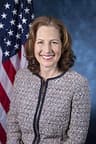
D· Washington
YRS IN OFFICE
7
BILLS LED
22
COSPONSOR BREAKDOWNBIPARTISAN · 18%
DEM 10 REP 1 IND 0
BILL INFO
TypeHouse Bill
NumberHR 1433
Congress119th
StatusIn Committee
IntroducedFeb 18, 2025
Last actionFeb 18, 2025
READER REACTIONS
OVERALL SENTIMENT
No reactions yet. Be the first to weigh in.
Discussion
Loading comments...
IN COMMITTEE· 119TH CONGRESS · ENERGY AND COMMERCE COMMITTEE · INTRODUCED FEB 18, 2025
House BillHR 1433MedicareHealth personnel
Kids’ Access to Primary Care Act of 2025
INTRODUCED FEB 18, 2025· LAST ACTION FEB 18, 2025
PASSAGE CHANCES
—%
READING
9 min
COSPONSORS
11
COMPLEXITY
Moderate