Bills · HR 1375
IN COMMITTEE· 119TH CONGRESS
House BillHR 1375Commerce
To amend the Small Business Act with respect to the maximum additional loan amount for certain disaster loans, and for other purposes.
INTRO FEB 14· LAST ACTION FEB 14
READING
1MIN
COSPONSORS
0
READER REACTIONS0 TOTAL
NO VOTES YET · BE THE FIRST
- Introduced only
LEGISLATIVE PROGRESS
STEP 2 / 8Introduced
In Committee
Reported
Passed House
Passed Senate
Conference
To President
Became Law
WHAT THE BILL DOES
AI-writtenThis bill matters because it directly impacts the ability of Americans to recover from and prepare for increasingly frequent and severe natural disasters. If it becomes law, it would provide more financial flexibility for homeowners and small businesses to invest in preventative measures like stronger building materials, elevated foundations, or improved drainage systems. This could reduce the financial burden of future disasters by minimizing damage and speeding up recovery times.
If this bill does not become law, the current 20 percent limit on additional disaster mitigation loans would remain in place. This could mean that some property owners might not have enough funds through these specific loans to implement the most effective long-term protections, potentially leaving them more vulnerable to subsequent disasters and facing higher repair costs down the line. It's about empowering people to build back stronger, not just back to what was there before.
KEY PROVISIONS
2AI-extractedPROVISION 01
The bill amends Section 7(b)(1)(A) of the Small Business Act to change the maximum additional loan amount for certain disaster loans.
This is the core of the bill, directly altering the financial assistance available after disasters.
PROVISION 02
It increases the maximum percentage for this additional loan amount from 20 percent to 30 percent.
This allows individuals and businesses to borrow more money for projects that make their property more resistant to future disasters.
SPONSORSHIP
1 + 0
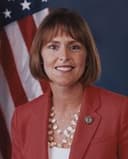
D· Florida
YRS IN OFFICE
19
BILLS LED
0
ACTION TIMELINE
2 EVENTSFEB 14
Introduced in House
FEB 14
Referred to the House Committee on Small Business.
BILL INFO
TypeHouse Bill
NumberHR 1375
Congress119th
StatusIn Committee
IntroducedFeb 14, 2025
Last actionFeb 14, 2025
READER REACTIONS
OVERALL SENTIMENT
No reactions yet. Be the first to weigh in.
Discussion
Loading comments...
IN COMMITTEE· 119TH CONGRESS · SMALL BUSINESS COMMITTEE · INTRODUCED FEB 14, 2025
House BillHR 1375Commerce
To amend the Small Business Act with respect to the maximum additional loan amount for certain disaster loans, and for other purposes.
INTRODUCED FEB 14, 2025· LAST ACTION FEB 14, 2025
PASSAGE CHANCES
—%
READING
1 min
COSPONSORS
0
COMPLEXITY
Moderate