Bills · HR 1374
PASSED HOUSE· 119TH CONGRESS
House BillHR 1374Nuclear weaponsDepartment of Homeland Security
Securing the Cities Improvement Act
INTRO FEB 14· LAST ACTION MAR 11
READING
2MIN
COSPONSORS
2BIPARTISAN
READER REACTIONS0 TOTAL
NO VOTES YET · BE THE FIRST
- One chamber only
LEGISLATIVE PROGRESS
STEP 4 / 8Introduced
In Committee
Reported
Passed House
Passed Senate
Conference
To President
Became Law
WHAT THE BILL DOES
AI-writtenThis bill matters because it aims to make federal funding for urban security against nuclear and radiological threats more targeted and effective. By changing how cities are chosen for the program, it ensures that resources go to areas that not only face a threat but also have the capacity to use the funds effectively, or need to build that capacity. The new requirement for performance metrics and reporting means greater accountability for how taxpayer money is spent, allowing Congress and the public to see if the program is achieving its goals of making cities safer. If this bill becomes law, the program will likely be more strategic in its focus and more transparent about its impact compared to the current system, where eligibility is based on a broader 'high-risk urban areas' definition without explicit performance tracking mandates.
KEY PROVISIONS
3AI-extractedPROVISION 01
Changes how jurisdictions are selected for the Securing the Cities (STC) program, moving from a general 'high-risk urban areas' designation to a more specific assessment of a jurisdiction's preparedness, response capabilities, threat level, vulnerability, and potential consequences related to nuclear/radiological incidents.
This ensures funding is directed to cities based on a more comprehensive and tailored evaluation of their specific needs and ability to handle particular threats.
PROVISION 02
Requires the establishment of clear performance metrics and milestones for the STC program, along with monitoring of expenditures and tracking of performance against these measures.
This significantly increases accountability for how program funds are used and whether the program is achieving its stated security goals.
PROVISION 03
Mandates the Secretary of Homeland Security to submit a report to Congress within two years, detailing program participation, established metrics, performance, and plans for future changes to the STC program.
This provides Congress with essential information for oversight, allowing them to assess the program's effectiveness and make informed decisions about its future.
SPONSORSHIP
1 + 2
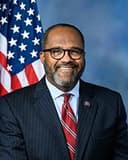
D· Louisiana
YRS IN OFFICE
5
BILLS LED
29
COSPONSOR BREAKDOWNBIPARTISAN · 100%
DEM 1 REP 1 IND 0
ACTION TIMELINE
10 EVENTSMAR 11
Received in the Senate and Read twice and referred to the Committee on Homeland Security and Governmental Affairs.
MAR 10
Mr. Green (TN) moved to suspend the rules and pass the bill.
MAR 10
Considered under suspension of the rules. (consideration: CR H1056-1057)
MAR 10
DEBATE - The House proceeded with forty minutes of debate on H.R. 1374.
BILL INFO
TypeHouse Bill
NumberHR 1374
Congress119th
StatusPassed House
IntroducedFeb 14, 2025
Last actionMar 11, 2025
READER REACTIONS
OVERALL SENTIMENT
No reactions yet. Be the first to weigh in.
Discussion
Loading comments...
PASSED HOUSE· 119TH CONGRESS · HOMELAND SECURITY COMMITTEE · INTRODUCED FEB 14, 2025
House BillHR 1374Nuclear weaponsDepartment of Homeland Security
Securing the Cities Improvement Act
INTRODUCED FEB 14, 2025· LAST ACTION MAR 11, 2025
PASSAGE CHANCES
—%
READING
2 min
COSPONSORS
2
COMPLEXITY
Moderate