Bills · HR 1211
IN COMMITTEE· 119TH CONGRESS
House BillHR 1211Science, Technology, Communications
No Propaganda Act
INTRO FEB 11· LAST ACTION FEB 11
READING
2MIN
COSPONSORS
2
READER REACTIONS0 TOTAL
NO VOTES YET · BE THE FIRST
- Introduced only
LEGISLATIVE PROGRESS
STEP 2 / 8Introduced
In Committee
Reported
Passed House
Passed Senate
Conference
To President
Became Law
WHAT THE BILL DOES
AI-writtenThis bill matters because it proposes a fundamental shift in how public broadcasting in the United States is financed. For decades, federal funding, distributed through the CPB, has been a cornerstone of support for public television and radio, helping to provide educational content, non-commercial news, and cultural programming.
If this bill passes, public broadcasting organizations would need to find alternative funding sources entirely, relying solely on private donations, corporate sponsorships, or state/local government grants. This could lead to a significant reduction in services, job losses, or even the closure of some stations, potentially diminishing the diversity of media available to the public. If it doesn't pass, the current system of federal support for public broadcasting would continue, maintaining the existing funding model for these stations.
KEY PROVISIONS
3AI-extractedPROVISION 01
Prohibits any federal funds from being made available to the Corporation for Public Broadcasting (CPB) after the bill becomes law.
This provision completely cuts off future government financial support for public broadcasting.
PROVISION 02
Amends existing law to specifically forbid the Corporation for Public Broadcasting from accepting any federal funds after the bill's enactment date.
This legally prevents the CPB from receiving federal money, reinforcing the funding ban.
PROVISION 03
Rescinds (takes back) any federal money allocated to the CPB in the 2023 and 2024 budgets that has not yet been spent.
This immediately removes existing unspent federal funds, impacting the CPB's current financial resources.
SPONSORSHIP
1 + 2
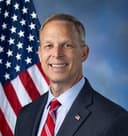
R· Pennsylvania
YRS IN OFFICE
13
BILLS LED
54
COSPONSOR BREAKDOWNBIPARTISAN · 0%
DEM 0 REP 2 IND 0
ACTION TIMELINE
2 EVENTSFEB 11
Introduced in House
FEB 11
Referred to the Committee on Energy and Commerce, and in addition to the Committee on Appropriations, for a period to be subsequently determined by the Speaker, in each case for consideration of such provisions as fall within the jurisdiction of the committee concerned.
BILL INFO
TypeHouse Bill
NumberHR 1211
Congress119th
StatusIn Committee
IntroducedFeb 11, 2025
Last actionFeb 11, 2025
READER REACTIONS
OVERALL SENTIMENT
No reactions yet. Be the first to weigh in.
Discussion
Loading comments...
IN COMMITTEE· 119TH CONGRESS · APPROPRIATIONS COMMITTEE · INTRODUCED FEB 11, 2025
House BillHR 1211Science, Technology, Communications
No Propaganda Act
INTRODUCED FEB 11, 2025· LAST ACTION FEB 11, 2025
PASSAGE CHANCES
—%
READING
2 min
COSPONSORS
2
COMPLEXITY
Moderate