Bills · HR 1188
IN COMMITTEE· 119TH CONGRESS
House BillHR 1188Civil actions and liabilityEvidence and witnesses
Police CAMERA Act of 2025
INTRO FEB 11· LAST ACTION FEB 11
READING
11MIN
COSPONSORS
0
READER REACTIONS0 TOTAL
NO VOTES YET · BE THE FIRST
- Introduced only
LEGISLATIVE PROGRESS
STEP 2 / 8Introduced
In Committee
Reported
Passed House
Passed Senate
Conference
To President
Became Law
WHAT THE BILL DOES
AI-writtenVoters should care about this bill because it directly addresses ongoing public discussions about police accountability and transparency. If this bill becomes law, more police departments will likely adopt body cameras, which can provide an objective record of interactions between officers and the public. This can be crucial in investigating complaints against officers or clarifying events during arrests and other incidents, potentially improving trust between communities and law enforcement.
Without this bill, many smaller or less affluent police departments might struggle to afford body camera programs, including the significant costs of data storage and maintenance. Its passage could lead to a more widespread, standardized approach to body camera use and data handling across the country, impacting how justice is administered and how police conduct is monitored. The bill's focus on community input, privacy protection, and limitations on advanced technologies like facial recognition also addresses key civil liberties concerns associated with increased surveillance.
KEY PROVISIONS
5AI-extractedPROVISION 01
Establishes a matching grant program for states, local governments, and Indian Tribes to purchase or lease body-worn cameras and cover program implementation costs.
This makes federal funding available for police departments to acquire and manage body cameras, which many currently cannot afford.
PROVISION 02
Requires grant recipients to develop and publicly share policies and procedures, with community input, for camera use, data storage, privacy protection, and constitutional rights.
This ensures transparency, addresses public concerns about police conduct, and incorporates local community perspectives into camera programs.
PROVISION 03
Sets specific limitations on the use of facial recognition technology with body-worn camera data, generally requiring judicial authorization or limiting it to serious crimes/imminent threats.
This aims to prevent widespread, unchecked use of facial recognition with police camera footage, addressing significant privacy concerns.
PROVISION 04
Mandates the collection and reporting of statistical data on use of force incidents (disaggregated by demographics), complaints against officers, and how camera footage is used as evidence.
This creates a national database for understanding trends in police conduct and the effectiveness of body cameras, supporting evidence-based policymaking.
PROVISION 05
Restricts the use of recorded data primarily to internal/external investigations of misconduct, evidence of a crime, or limited training purposes.
This prevents misuse of sensitive footage by limiting who can access it and for what specific purposes.
SPONSORSHIP
1 + 0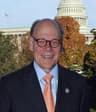
D· Tennessee
YRS IN OFFICE
19
BILLS LED
57
ACTION TIMELINE
2 EVENTSFEB 11
Introduced in House
FEB 11
Referred to the House Committee on the Judiciary.
BILL INFO
TypeHouse Bill
NumberHR 1188
Congress119th
StatusIn Committee
IntroducedFeb 11, 2025
Last actionFeb 11, 2025
READER REACTIONS
OVERALL SENTIMENT
No reactions yet. Be the first to weigh in.
Discussion
Loading comments...
IN COMMITTEE· 119TH CONGRESS · JUDICIARY COMMITTEE · INTRODUCED FEB 11, 2025
House BillHR 1188Civil actions and liabilityEvidence and witnesses
Police CAMERA Act of 2025
INTRODUCED FEB 11, 2025· LAST ACTION FEB 11, 2025
PASSAGE CHANCES
—%
READING
11 min
COSPONSORS
0
COMPLEXITY
Moderate