Bills · HR 1166
PASSED HOUSE· 119TH CONGRESS
House BillHR 1166Foreign and international corporationsResearch administration and funding
Decoupling from Foreign Adversarial Battery Dependence Act
INTRO FEB 10· LAST ACTION MAR 11
READING
3MIN
COSPONSORS
4
READER REACTIONS0 TOTAL
NO VOTES YET · BE THE FIRST
- One chamber only
LEGISLATIVE PROGRESS
STEP 4 / 8Introduced
In Committee
Reported
Passed House
Passed Senate
Conference
To President
Became Law
WHAT THE BILL DOES
AI-writtenThe Department of Homeland Security (DHS) and its various agencies, such as U.S. Customs and Border Protection, the Coast Guard, and the Transportation Security Administration, would be directly affected. They would need to change their procurement processes to ensure they are not purchasing batteries from the prohibited list of companies. This might require finding new suppliers or adjusting existing contracts for equipment that uses batteries.
The specified foreign battery manufacturers, primarily Chinese companies like CATL and BYD, would also be affected as they would lose the DHS as a potential customer. American taxpayers could be indirectly affected if the cost of alternative batteries for DHS equipment is higher, potentially leading to increased government spending, though the bill also considers cost and quality in its waiver provisions.
KEY PROVISIONS
4AI-extractedPROVISION 01
Prohibits the Department of Homeland Security (DHS) from using funds to buy batteries from a list of specified foreign companies and their subsidiaries, starting October 1, 2027.
This directly aims to reduce U.S. government reliance on specific foreign battery manufacturers for national security and supply chain reasons.
PROVISION 02
Specifies a list of prohibited entities, including major Chinese battery manufacturers, companies tied to forced labor, and those identified as Chinese military companies.
This clearly defines the scope of the ban, targeting specific companies and categories of concern.
PROVISION 03
Allows the Secretary of Homeland Security to waive the prohibition under certain conditions, such as if there's no national security risk and no comparable alternative, or for research purposes.
These waivers provide flexibility for DHS to continue operations if suitable alternative batteries are unavailable or for critical research and testing.
PROVISION 04
Requires the Secretary of Homeland Security to report to Congress on the expected impacts (mission and costs) of this prohibition on various DHS components within 180 days of enactment.
This ensures oversight and provides Congress with information on the practical challenges and financial implications of implementing the ban.
SPONSORSHIP
1 + 4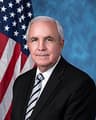
R· Florida
YRS IN OFFICE
5
BILLS LED
11
COSPONSOR BREAKDOWNBIPARTISAN · 0%
DEM 0 REP 4 IND 0
ACTION TIMELINE
10 EVENTSMAR 11
Received in the Senate and Read twice and referred to the Committee on Homeland Security and Governmental Affairs.
MAR 10
Mr. Green (TN) moved to suspend the rules and pass the bill.
MAR 10
Considered under suspension of the rules. (consideration: CR H1053-1054)
MAR 10
DEBATE - The House proceeded with forty minutes of debate on H.R. 1166.
BILL INFO
TypeHouse Bill
NumberHR 1166
Congress119th
StatusPassed House
IntroducedFeb 10, 2025
Last actionMar 11, 2025
READER REACTIONS
OVERALL SENTIMENT
No reactions yet. Be the first to weigh in.
Discussion
Loading comments...
PASSED HOUSE· 119TH CONGRESS · HOMELAND SECURITY COMMITTEE · INTRODUCED FEB 10, 2025
House BillHR 1166Foreign and international corporationsResearch administration and funding
Decoupling from Foreign Adversarial Battery Dependence Act
INTRODUCED FEB 10, 2025· LAST ACTION MAR 11, 2025
PASSAGE CHANCES
—%
READING
3 min
COSPONSORS
4
COMPLEXITY
Moderate