Bills · HR 1163
REPORTED· 119TH CONGRESS
House BillHR 1163Small Business AdministrationAdministrative law and regulatory procedures
Prove It Act
INTRO FEB 10· LAST ACTION MAY 4
READING
21MIN
COSPONSORS
30
READER REACTIONS0 TOTAL
NO VOTES YET · BE THE FIRST
- Reported, not passed
LEGISLATIVE PROGRESS
STEP 3 / 8Introduced
In Committee
Reported
Passed House
Passed Senate
Conference
To President
Became Law
WHAT THE BILL DOES
AI-writtenVoters should care about this bill because federal regulations can have a significant impact on the economic health and operational capacity of small businesses, which are major employers and contributors to the economy. If this bill passes, agencies might be more likely to craft regulations in ways that reduce burdens on small businesses, potentially lowering costs for consumers or fostering more competitive markets.
Without this bill, federal agencies might continue to underestimate the full scope of costs, particularly indirect ones, that new rules impose on small businesses. This could lead to regulations that inadvertently harm small businesses, making it harder for them to grow, hire, or even stay in business. The bill aims to create a more level playing field by giving small businesses a stronger voice in the regulatory process and ensuring a more comprehensive assessment of economic impacts.
KEY PROVISIONS
5AI-extractedPROVISION 01
Requires federal agencies to consider reasonably foreseeable indirect costs that proposed rules may impose on small entities, in addition to direct costs.
This significantly broadens the scope of economic analysis for new rules, aiming to capture a more complete picture of their impact on small businesses.
PROVISION 02
Mandates that federal agencies notify the public within 10 days of completing a certification that a proposed rule will not significantly impact small businesses.
This speeds up and increases transparency for agency decisions regarding small business impact assessments.
PROVISION 03
Establishes a new formal process allowing small businesses or their groups to petition the Chief Counsel for Advocacy of the SBA to review agency certifications of no significant small business impact.
This creates a new oversight mechanism and empowers small businesses to challenge agency claims they believe are inaccurate.
PROVISION 04
Outlines the specific information that must be included in a petition, such as identifying details, specific problems with the certification, supporting data, and proposed alternative solutions.
This provides a clear framework for small businesses to submit effective challenges, ensuring petitions are structured and well-supported.
PROVISION 05
Details a two-stage review process (prima facie and full review) for the Chief Counsel to assess the merits of the small business petitions.
This defines how the Chief Counsel's office will evaluate challenges, adding structure and accountability to the new oversight function.
SPONSORSHIP
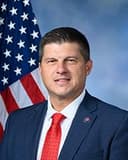
1 + 30
R· Minnesota
YRS IN OFFICE
4
BILLS LED
35
COSPONSOR BREAKDOWNBIPARTISAN · 0%
DEM 0 REP 30 IND 0
ACTION TIMELINE
15 EVENTSMAY 4
Reported (Amended) by the Committee on Judiciary. H. Rept. 119-108, Part II.
MAY 4
Placed on the Union Calendar, Calendar No. 552.
MAY 21
Committee Consideration and Mark-up Session Held
MAY 21
Reported (Amended) by the Committee on Small Business. H. Rept. 119-108, Part I.
BILL INFO
TypeHouse Bill
NumberHR 1163
Congress119th
StatusReported
IntroducedFeb 10, 2025
Last actionMay 4, 2026
READER REACTIONS
OVERALL SENTIMENT
No reactions yet. Be the first to weigh in.
Discussion
Loading comments...
REPORTED· 119TH CONGRESS · SMALL BUSINESS COMMITTEE · INTRODUCED FEB 10, 2025
House BillHR 1163Small Business AdministrationAdministrative law and regulatory procedures
Prove It Act
INTRODUCED FEB 10, 2025· LAST ACTION MAY 4, 2026
PASSAGE CHANCES
—%
READING
21 min
COSPONSORS
30
COMPLEXITY
Moderate